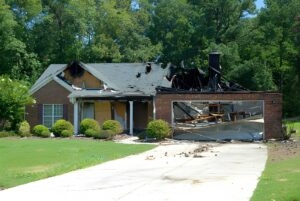
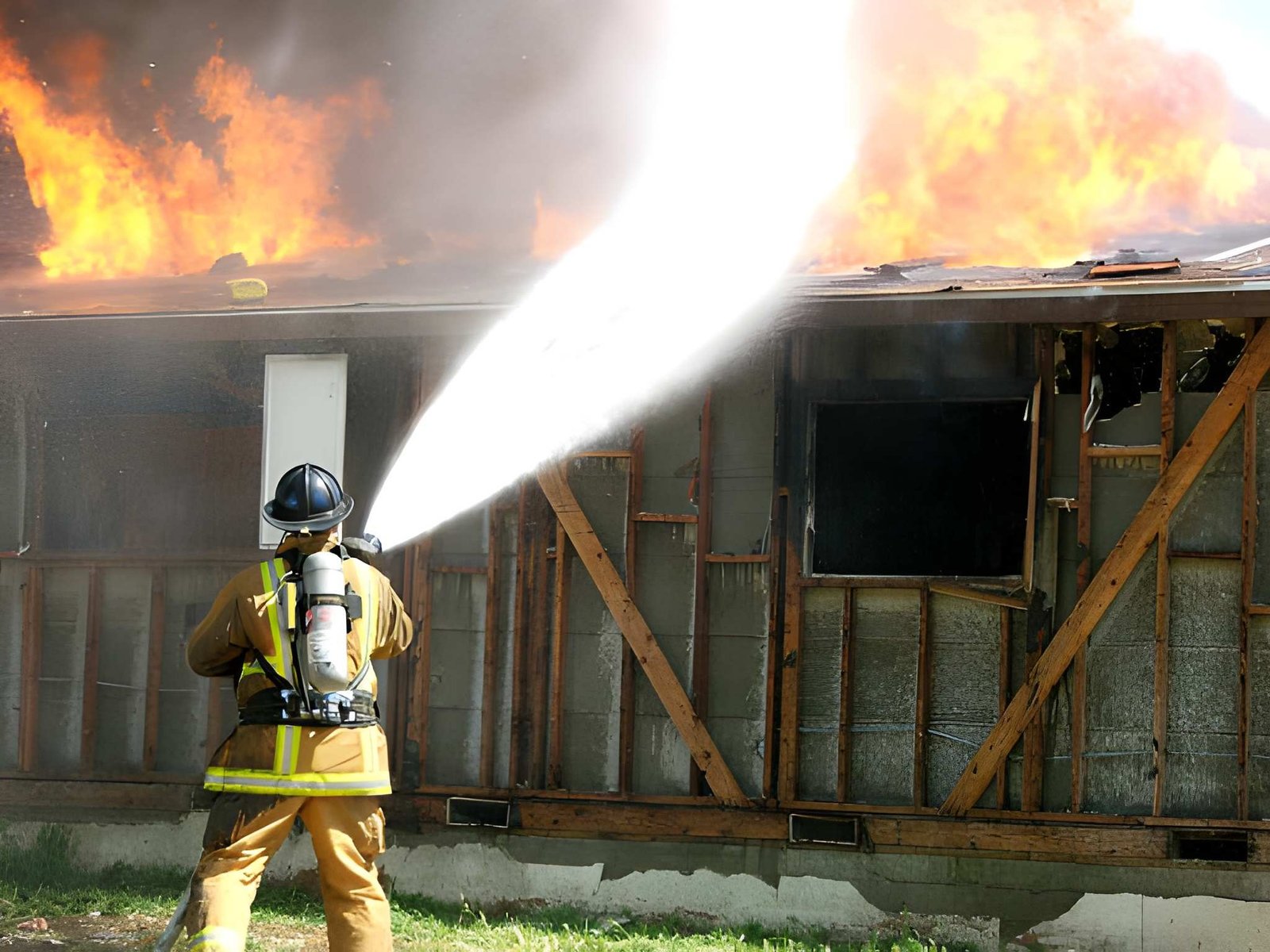
The trucks pull away, the smoke thins out, and suddenly the street goes quiet. That quiet is deceiving. For most families, the hardest part of a house fire doesn’t happen while the flames are burning it happens in the hours and days right after, when you’re standing on the sidewalk trying to figure out what to do after a house fire and where to even start.
There’s no single manual handed to you at a moment like this. You’re expected to think about safety, insurance, damaged belongings, a place to sleep that night, and a dozen phone calls, often while running on adrenaline and almost no sleep. None of that is something most people have practiced.
This guide walks through the process in order from the first hour to the first few months so you have a clear sense of what needs your attention now, what can wait a day, and who can actually help.
What to Do Immediately After a House Fire
The first stretch of time after a fire is about safety and stabilization, not repairs or cleanup. Those come later. Right now, the goal is simple: get everyone safe, get the right people notified, and avoid decisions that could make things worse.
1. Make sure everyone is accounted for. Before anything else, confirm that all family members and pets are safe. If anyone is missing, tell firefighters immediately don’t go looking on your own.
2. Follow instructions from firefighters and other officials on scene. They’ll tell you whether it’s safe to approach the house, whether you can retrieve anything, and what the next steps look like. Their instructions override anything you read online, including this article.
3. Don’t re-enter the property, even briefly. It’s tempting to run in for a phone charger or a set of keys, but a home that was just on fire can hide serious hazards that aren’t visible from outside. More on this below.
4. Get medical attention for anyone who needs it. Smoke inhalation symptoms sometimes show up later, not right away. If anyone was in the building or near heavy smoke, it’s worth having them checked out even if they feel okay in the moment.
5. Contact your insurance provider. Most insurers have a 24-hour emergency claims line. Starting this early gets the process moving and may open up temporary living assistance sooner.
6. Arrange somewhere to stay. This might be a family member’s house, a hotel, or help from a local relief organization like the Red Cross. Don’t assume you’ll be back in your home that night.
7. Only handle documents or belongings if authorities say it’s safe to do so. If firefighters clear you to grab a few essential items medication, wallets, phones do that quickly and leave. Don’t wander through the house looking for more.
8. Ask what happens next with property access. Fire officials or your insurer can tell you when and how you’ll be allowed back on the property, and under what conditions.
9. Write down names, badge numbers, and instructions. In the chaos, details get lost. A quick note in your phone who you talked to, what they said will save you headaches with insurance later.
It helps to think of this in two buckets: emergency actions (safety, medical care, shelter) come first, and recovery actions (documentation, cleanup, repairs) come after. Trying to do recovery work before the emergency phase is settled is where people tend to get hurt or make costly mistakes.
What NOT to Do After a House Fire
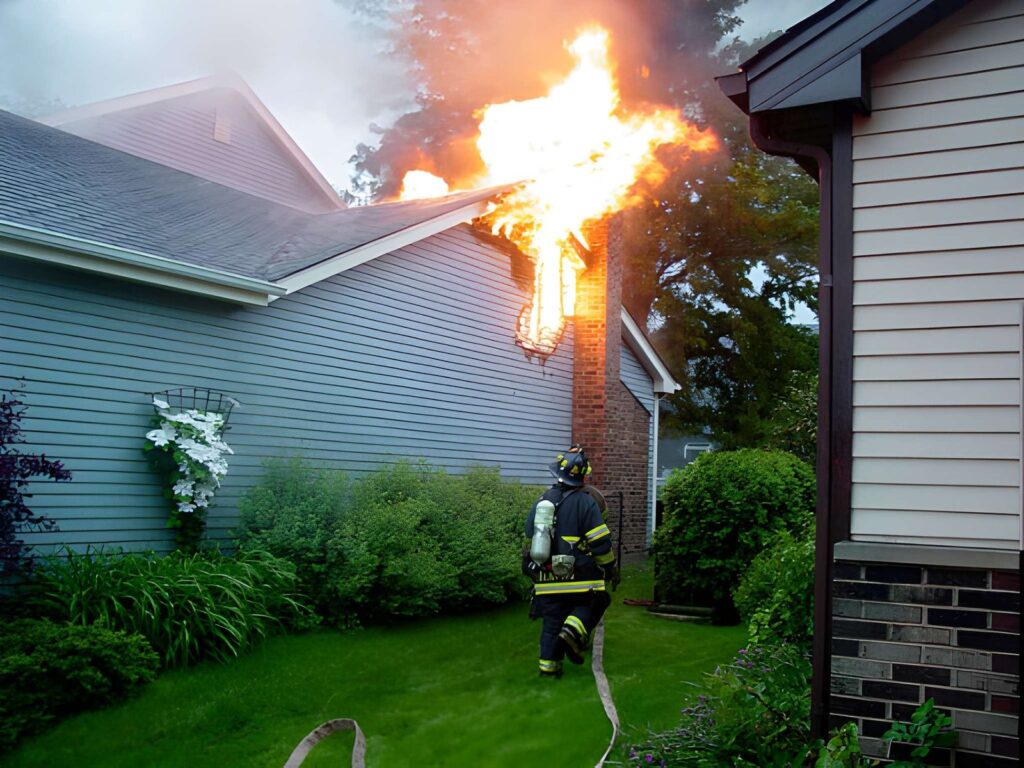
A few common instincts after a fire can actually create new problems. Here’s what to avoid, and why.
- Don’t enter the property without clearance. Even if the front door looks fine, fire officials or a structural professional need to confirm the building is safe before anyone goes back in.
- Don’t walk on floors, stairs, or roofing that were exposed to fire. Heat weakens wood, metal, and structural supports in ways that aren’t always visible. A floor that looks solid can give way.
- Don’t turn utilities gas, electric, or water back on yourself. Fire departments or utility companies often shut these off for a reason, and restoring them incorrectly can create a second emergency.
- Don’t touch damaged outlets, appliances, or wiring. Fire-damaged electrical systems can be live even when the power is supposedly off.
- Don’t handle unfamiliar containers, chemicals, or materials you can’t identify. Fires can damage stored chemicals or release residue that isn’t safe to touch without protection.
- Don’t throw away damaged items before documenting them, if it’s safe to do so. Insurers often want photos or an itemized list before items are discarded, so tossing things too quickly can complicate your claim.
- Don’t start major repairs before talking to your insurance company. Some policies require the insurer’s sign-off before certain work begins, and skipping that step can affect what’s covered.
- Don’t attempt large-scale soot or smoke cleanup on your own. What looks like a surface cleaning job often involves contamination inside walls, vents, and HVAC systems that needs professional equipment.
None of these are about slowing you down for no reason each one exists because people have gotten hurt, or ended up with denied claims, by skipping this step.
When Is It Safe to Enter a Fire-Damaged Home?
This is one of the most common questions after a fire, and one of the hardest to answer with a simple timeline — because it depends entirely on the specific building.
The flames being out doesn’t mean the building is sound. A few reasons a fire-damaged home can stay dangerous well after the fire itself is over:
- Structural instability. Fire weakens wood framing, floor joists, and roof supports. A staircase or floor that held weight yesterday might not hold it today.
- Electrical hazards. Damaged wiring can remain energized or become a shock hazard once power is restored.
- Gas leaks. Fire can damage gas lines or appliances in ways that aren’t obvious from a visual check.
- Water damage. The water used to put out the fire often soaks into floors, walls, and ceilings, adding weight and weakening structures further, plus creating a mold risk within days.
- Smoke and soot contamination. Soot isn’t just cosmetic it can carry chemical residue that isn’t safe to breathe in extended amounts, especially without a respirator.
- Hidden hot spots. Fires can smolder within walls or insulation for hours after visible flames are gone, occasionally reigniting.
- Hazardous materials. Older homes may release asbestos or other materials once structures are disturbed by fire or the firefighting response.
Because of all this, entry decisions are usually made by the fire department, a building inspector, your insurance adjuster, or a structural professional not by the homeowner. Even rooms that look untouched by fire can be off-limits if smoke, water, or structural damage reaches into them. If you’re renting, your landlord or property manager may also be involved in this decision.
The safest approach is to wait for someone qualified to tell you it’s okay to go in, rather than judging it yourself from the doorway.
Contact Your Insurance Company
Reaching out to your insurer early is one of the most useful things you can do in the first day or two. Here’s what that process typically looks like, though the specifics depend on your policy and provider.
Report the fire as soon as reasonably possible. Most homeowners and renters insurance policies have a claims hotline available around the clock. The sooner you file, the sooner an adjuster can be assigned.
Get your claim number early and keep it handy. You’ll reference this in every future call or email about the fire.
A claims adjuster will likely be assigned to your case. This person inspects the damage (once it’s safe to do so), evaluates repair or rebuild costs, and works with you throughout the claims process. Ask for their direct contact information.
Pull your policy documents together if you can. Knowing your coverage limits for structural damage, personal property, and temporary living expenses will help you understand what to expect.
Ask about temporary living expenses. Many policies include coverage for hotel stays, meals, and other costs while your home is uninhabitable but this varies by policy, so ask directly rather than assuming.
Ask about personal property coverage. This typically applies to belongings lost or damaged in the fire, though limits and depreciation rules vary.
Keep every receipt. Hotel stays, takeout meals, clothing replacements, transportation — anything related to the fire should be documented in case it’s reimbursable.
Keep a written record of every conversation. Note the date, who you spoke with, and what was discussed or promised.
Check before authorizing major repairs. Some policies require the insurer’s involvement before certain repair work starts, so it’s worth confirming this rather than assuming it’s fine to move forward.
Coverage details vary a lot from policy to policy, so treat your insurer as your primary source of truth here rather than general assumptions about what “should” be covered.
How to Document Fire and Smoke Damage
Good documentation does two things: it supports your insurance claim, and it gives you a record of what existed before the fire, which matters more than people expect once the recovery process stretches into weeks or months.
Photos and videos are the backbone of this. Walk through each accessible room only once you’ve been cleared to do so and capture:
- Wide shots of each room from multiple angles
- Close-ups of specific damage (charring, melted materials, soot buildup)
- Damaged furniture and large appliances
- Electronics, even ones that look intact but were exposed to heat or smoke
- Clothing and personal items
- Ceilings, walls, and flooring
- Water damage from firefighting efforts
- Any visible structural damage
If you have older photos of your home from social media, past listings, or your own camera roll those can help establish what things looked like beforehand, which is useful for both insurance and personal records.
Fire damage documentation checklist:
☐ Exterior of the home (all sides) ☐ Roof and ceiling damage ☐ Walls and flooring throughout ☐ Kitchen appliances and cabinetry ☐ Furniture in every room ☐ Electronics and devices ☐ Clothing and closets ☐ Important documents and paperwork ☐ Smoke and soot residue on surfaces ☐ Water damage from firefighting ☐ HVAC system and vents ☐ Garage or storage areas ☐ Outdoor structures (sheds, decks, fencing) ☐ Vehicles, if affected ☐ Landscaping or exterior property damage
Only do this documentation once you’ve been told it’s safe and permitted. If you’re not cleared to enter yet, your insurance adjuster or a restoration company will often handle initial documentation on your behalf.
House Fire Recovery: What to Do and Who to Contact
| Recovery Step | Why It Matters | Who to Contact |
|---|---|---|
| Confirm everyone’s safety | This is the first priority before anything else happens | Emergency services (911) |
| Get medical evaluation for smoke exposure | Some symptoms appear hours after exposure | Doctor, urgent care, or ER |
| Report the fire to your insurer | Starts the claims process and may unlock temporary housing help | Your insurance company’s claims line |
| Arrange emergency shelter | You likely can’t stay in the home, even short-term | Family, hotel, or a relief organization like the Red Cross |
| Confirm property security | Prevents unauthorized access and weather damage while the home sits vacant | Insurance company or a licensed boarding/securing service |
| Get a professional damage assessment | Determines what’s salvageable and what safety risks remain | Licensed restoration company |
| Address electrical hazards | Fire-damaged wiring can be dangerous even when power is “off” | Licensed electrician |
| Check plumbing and water systems, if applicable | Firefighting water and heat can damage pipes and fixtures | Licensed plumber |
| Start replacing key identification documents | Needed for insurance, banking, and daily life going forward | Relevant issuing agency (DMV, passport office, etc.) |
| Document personal property loss | Supports your insurance claim and your own records | Yourself, with help from your adjuster |
| Look after your emotional wellbeing | Fires are traumatic events, and stress can build up over weeks | Trusted family, friends, or a mental health professional |
How to Secure a Fire-Damaged Property
Once the immediate emergency has passed, an unoccupied, damaged home becomes vulnerable to a few new problems: weather exposure, theft, and further structural decline. A few things typically come into play here.
Broken doors and windows often need to be temporarily covered to keep rain, wind, and pests out. This is usually done with plywood or heavy tarps, and it’s generally handled by a restoration company or a professional boarding service rather than the homeowner partly for safety, and partly because insurers sometimes have preferred vendors for this work.
Preventing unauthorized access matters too. A visibly damaged, empty home can attract trespassers. Temporary fencing or boarding addresses this alongside the weatherproofing.
Protecting undamaged areas is also part of the plan. If only part of the home burned, the rest of the structure can still be exposed to water, smoke, or weather if it isn’t properly sealed off.
Your insurance company and a licensed restoration or securing service are usually the right people to coordinate this with they can tell you what steps are covered under your policy and who’s qualified to do the work safely.
Cleaning and Smoke Damage After a Fire
Fire damage extends well past what actually burned. In fact, for a lot of homes, smoke and water end up affecting more square footage than the fire itself.
Soot and smoke residue settle into fabric, drywall, wood, and even hard surfaces like countertops. It carries an odor that’s difficult to fully remove without specialized cleaning, and in some cases it can be mildly corrosive to certain materials over time.
Water damage from firefighting efforts or sprinkler systems soaks into flooring, drywall, and insulation. Left unaddressed, this creates a mold risk within as little as 24 to 48 hours in warm, humid conditions.
Porous materials like upholstery, carpet, and mattresses tend to absorb smoke odor deeply, which is part of why some items end up being replaced rather than cleaned.
HVAC systems can circulate soot and smoke particles throughout the house, including rooms that weren’t directly touched by fire. This is one of the more commonly overlooked areas of damage.
Because of all this, professional fire restoration companies are usually brought in rather than attempting a full cleanup independently. They have equipment industrial air scrubbers, specialized cleaning agents, moisture meters that goes beyond typical household cleaning, and they know how to handle materials that may carry contamination risk. Attempting extensive cleanup without that equipment can spread residue further or create health risks from prolonged exposure.
What Happens to Your Belongings After a House Fire?
Not everything in a fire-damaged home is a total loss, though sorting out what’s salvageable takes time and, often, professional input.
Completely destroyed items are usually the most straightforward burned beyond use, with no ambiguity about their condition.
Smoke-damaged items are trickier. Some can be professionally cleaned and deodorized; others retain odor or residue no matter what’s done to them.
Water-damaged items depend heavily on the material. Some furniture and electronics can be dried and restored; others, especially anything with sensitive components, usually can’t.
Restorable items are typically identified by a restoration company, which can assess furniture, textiles, and even certain electronics for cleaning versus replacement.
Important documents birth certificates, passports, financial records sometimes survive in surprisingly good condition if they were in a drawer or safe, but should still be inspected carefully.
Before anything gets thrown away, it helps to photograph and log each item where it’s safe and possible to do so. Insurers often want an itemized list of damaged or destroyed belongings, sometimes with estimated value or proof of purchase, so documentation before disposal can make the claims process smoother.
Temporary Housing After a House Fire
Finding somewhere to stay is usually one of the more immediate practical concerns, right alongside safety itself.
Staying with family or friends is often the fastest option in the first day or two, giving you breathing room to figure out a longer-term plan.
Hotels are a common next step, especially while insurance coverage details get sorted out.
Short-term rentals become more relevant if the recovery timeline stretches into weeks or months.
Local relief organizations, including the American Red Cross and community-based groups, often provide emergency shelter, meals, or basic supplies in the immediate aftermath of a fire.
Insurance-covered temporary living expenses, if your policy includes this, can help offset hotel or rental costs but this depends entirely on your specific coverage, so it’s worth confirming with your insurer rather than assuming.
Whatever route you take, keep records of:
- Hotel or rental receipts
- Food and necessary daily expenses, where applicable
- Transportation costs related to displacement
- Essential purchases like clothing or toiletries
Reimbursement for any of this depends on your policy, so hold onto documentation even if you’re not sure yet whether it’ll be covered.
Replacing Important Documents
Losing identification and paperwork in a fire adds a layer of frustration to an already difficult situation, but most of it can be replaced it just takes some organizing.
Common documents people need to replace include:
- Driver’s licenses and state IDs
- Birth certificates
- Passports
- Insurance policy documents
- Property deeds or mortgage paperwork
- Financial and banking records
- Medical records
- School or employment records
Replacement procedures differ depending on the document and the issuing agency, so it’s worth checking directly with each relevant office the DMV, the passport office, your bank, your child’s school rather than assuming a single process covers everything.
Rather than trying to replace everything at once, it usually helps to prioritize. Start with whatever you need most urgently often identification and insurance paperwork and work through the rest over the following weeks.
House Fire Recovery Timeline
Every fire and every home is different, so treat this as a general sense of pacing rather than a fixed schedule.
| Time Period | Typical Priorities |
|---|---|
| First 24 Hours | Confirming safety, arranging shelter, contacting insurance, getting medical care if needed |
| First Few Days | Documenting damage (once cleared), securing the property, settling into temporary housing, professional assessments |
| First Few Weeks | Cleaning and restoration work, ongoing claims process, replacing essential belongings and documents, early repair planning |
| Longer-Term Recovery | Structural repairs or rebuilding, replacing remaining belongings, continued emotional recovery |
First 24 Hours
This period is almost entirely about safety and stabilization confirming everyone’s okay, getting emergency medical care if needed, arranging a place to sleep, and getting the insurance claim started.
First Few Days
Once the immediate emergency has passed, attention shifts to documentation, securing the property against further damage, and getting professional assessments moving.
First Few Weeks
This is typically when restoration work begins, the insurance claims process moves further along, and families start replacing essentials like clothing, documents, and daily necessities.
Longer-Term Recovery
Depending on the extent of damage, this stage can involve repairs, partial or full rebuilding, and gradually replacing belongings a process that, for larger fires, can extend for many months.
Emotional Recovery After a Fire
The physical side of fire recovery gets most of the attention, but the emotional weight of it is just as real, even if it’s harder to put a checklist next to.
It’s common to experience shock in the first hours or days, followed by waves of sadness, anger, or anxiety as the reality of the loss sets in. Sleep can become difficult. Everyday tasks can start to feel overwhelming, especially while juggling insurance calls and temporary living arrangements. Grief over lost belongings — especially sentimental items that can’t be replaced is a normal response, not something to feel embarrassed about.
Recovery isn’t only about fixing the house. A few things that tend to help along the way:
- Talking to people you trust about how you’re actually doing, not just the logistics
- Letting others help, even with small things like meals or errands
- Keeping a simple running list of tasks so nothing important slips through the cracks
- Reaching out to a qualified mental health professional if the stress starts feeling unmanageable
There’s no set timeline for how long this part takes, and it’s different for every person in the household, including kids, who may process it differently than adults do.
What to Do If You Cannot Return Home
If your home isn’t livable for an extended period, a few practical things need attention beyond the immediate aftermath.
Temporary housing becomes a longer-term arrangement rather than a one- or two-night stay, so it’s worth thinking about what makes sense for weeks or months, not just the first few days.
Essential clothing and daily necessities will need to be replaced or purchased, at least until you know what’s salvageable from the home.
Medications and personal necessities should only be retrieved if authorities have confirmed it’s safe to access the property if not, contact your pharmacy or doctor about getting replacements instead of trying to go in for them yourself.
Keeping in touch with family members about the plan where everyone’s staying, how to reach each other matters more than it might seem once things get busy.
Staying in contact with your insurer throughout this period keeps the claims process moving and keeps you updated on next steps.
Mail and important paperwork may need a temporary forwarding address if you’re going to be displaced for a while.
Work or school arrangements sometimes need adjusting, especially if the displacement affects your commute or your kids’ routine.
Keeping receipts for anything related to the displacement continues to matter here, the same as in the first few days.
30-Step House Fire Recovery Checklist
Immediate Safety Items 1–6
☐ 1. Confirm that everyone is safe and accounted for. ☐ 2. Follow all instructions from firefighters and officials on scene. ☐ 3. Get medical evaluation for anyone exposed to smoke or heat. ☐ 4. Avoid re-entering the property until cleared by authorities. ☐ 5. Arrange emergency shelter for the night. ☐ 6. Save emergency contact numbers from officials on scene.
Insurance & Documentation Items 7–13
☐ 7. Contact your insurance company to start the claim. ☐ 8. Record your claim number and adjuster’s contact information. ☐ 9. Locate your policy documents, physical or digital. ☐ 10. Ask your insurer about temporary living expense coverage. ☐ 11. Ask your insurer about personal property coverage. ☐ 12. Begin a written log of all fire-related conversations and calls. ☐ 13. Start photographing and documenting damage once access is permitted.
Property & Restoration Items 14–20
☐ 14. Confirm when and how you’ll be allowed back on the property. ☐ 15. Arrange for a professional damage assessment. ☐ 16. Coordinate property securing (boarding, temporary fencing) through a licensed service. ☐ 17. Have an electrician evaluate fire-damaged wiring before power is restored. ☐ 18. Have a plumber assess water damage if it’s affecting pipes or fixtures. ☐ 19. Get a restoration company’s opinion on which belongings are salvageable. ☐ 20. Ask your insurer before authorizing major repair work.
Temporary Living & Essentials Items 21–25
☐ 21. Confirm longer-term temporary housing beyond the first night or two. ☐ 22. Purchase essential clothing and daily necessities as needed. ☐ 23. Contact your pharmacy about replacing medications if needed. ☐ 24. Save every receipt related to displacement expenses. ☐ 25. Set up mail forwarding to your temporary address if needed.
Long-Term Recovery Items 26–30
☐ 26. Begin replacing key identification and financial documents. ☐ 27. Create a prioritized list of remaining documents and belongings to replace. ☐ 28. Check in on work or school arrangements affected by the displacement. ☐ 29. Talk with trusted people about how you’re coping, not just the logistics. ☐ 30. Review your recovery plan and outstanding tasks regularly as things progress.
Common Questions After a House Fire
What should I do first after a house fire?
The very first priority is making sure everyone is safe and accounted for, followed by getting medical attention if anyone needs it. After that, follow instructions from firefighters on scene, arrange temporary shelter, and contact your insurance company as soon as you reasonably can. Recovery tasks like documentation and cleanup come later, once the immediate safety concerns are addressed.
How long should I wait before entering a fire-damaged home?
There’s no fixed timeframe it depends on the extent of the damage and who’s evaluating it. Fire officials, building inspectors, or your insurance adjuster typically determine when it’s safe to re-enter, based on structural, electrical, and gas hazards that may not be visible from outside. Wait for clearance from one of these sources rather than judging it yourself.
Should I contact my insurance company immediately after a fire?
Yes, reaching out as soon as reasonably possible is generally a good idea. It starts your claim, gets an adjuster assigned, and may open up temporary living assistance sooner. Most insurers have a 24-hour claims line specifically for situations like this.
What should I document after a house fire?
Photograph and video every accessible room, along with damaged furniture, electronics, clothing, and structural elements like walls and ceilings. Only do this once you’ve been cleared to access the property safely. This documentation supports your insurance claim and gives you your own record of the damage.
Can I clean smoke damage myself?
Minor surface cleaning in unaffected areas may be manageable, but extensive smoke and soot damage is usually better handled by a professional restoration company. Soot can carry residue that isn’t safe to handle extensively without protective equipment, and it often reaches into places HVAC systems, wall cavities that aren’t obvious without specialized inspection.
What happens to belongings after a house fire?
Some items are completely destroyed, while others may be cleaned or restored depending on the type of damage. Restoration professionals often assess furniture, electronics, and textiles to determine what’s salvageable. Documenting items before discarding them, when it’s safe to do so, helps support your insurance claim.
Does homeowners insurance pay for temporary housing after a fire?
Many policies include coverage for temporary living expenses, but this varies significantly by policy and provider. Ask your insurer directly about what’s covered, what the limits are, and what documentation they need for reimbursement rather than assuming a specific expense will be covered.
How long does house fire recovery take?
It varies widely based on the severity of the fire and the extent of the damage. Smaller fires might involve a recovery process of a few weeks, while significant structural damage can take many months to fully repair or rebuild. Emotional recovery often continues well beyond the physical repairs.
Final Thoughts
Getting through the first hours after a house fire is its own accomplishment, and everything after that is a process, not a single afternoon of tasks. Your home may look different than it did yesterday, and parts of it may stay off-limits longer than feels comfortable that’s normal, and it’s about safety, not bureaucracy for its own sake.
Take the steps in order: safety first, then insurance and documentation, then the slower work of restoration and replacing what’s lost. Lean on your insurer, a restoration professional, and local officials to guide the technical decisions, since they’re equipped to judge what you often can’t from the outside. And don’t put the emotional side of this on the back burner it’s as much a part of recovery as the repairs are. One task at a time is enough for now.