Most houses were built with young, agile bodies in mind steep stairs, low lighting, throw rugs by the front door, cabinets that require a step stool to reach the top shelf. None of that is a problem until it is. A loose rug edge, a dim hallway, or a phone charger cord stretched across a walkway can turn an ordinary afternoon into a trip to the emergency room. This elderly home safety checklist walks through the house room by room, pointing out the small hazards that tend to get overlooked and the practical fixes that make the biggest difference. Whether you’re evaluating your own home or a parent’s, you can work through it in an afternoon and come away with a clear list of what to change.
Why Home Safety Is Important for Older Adults
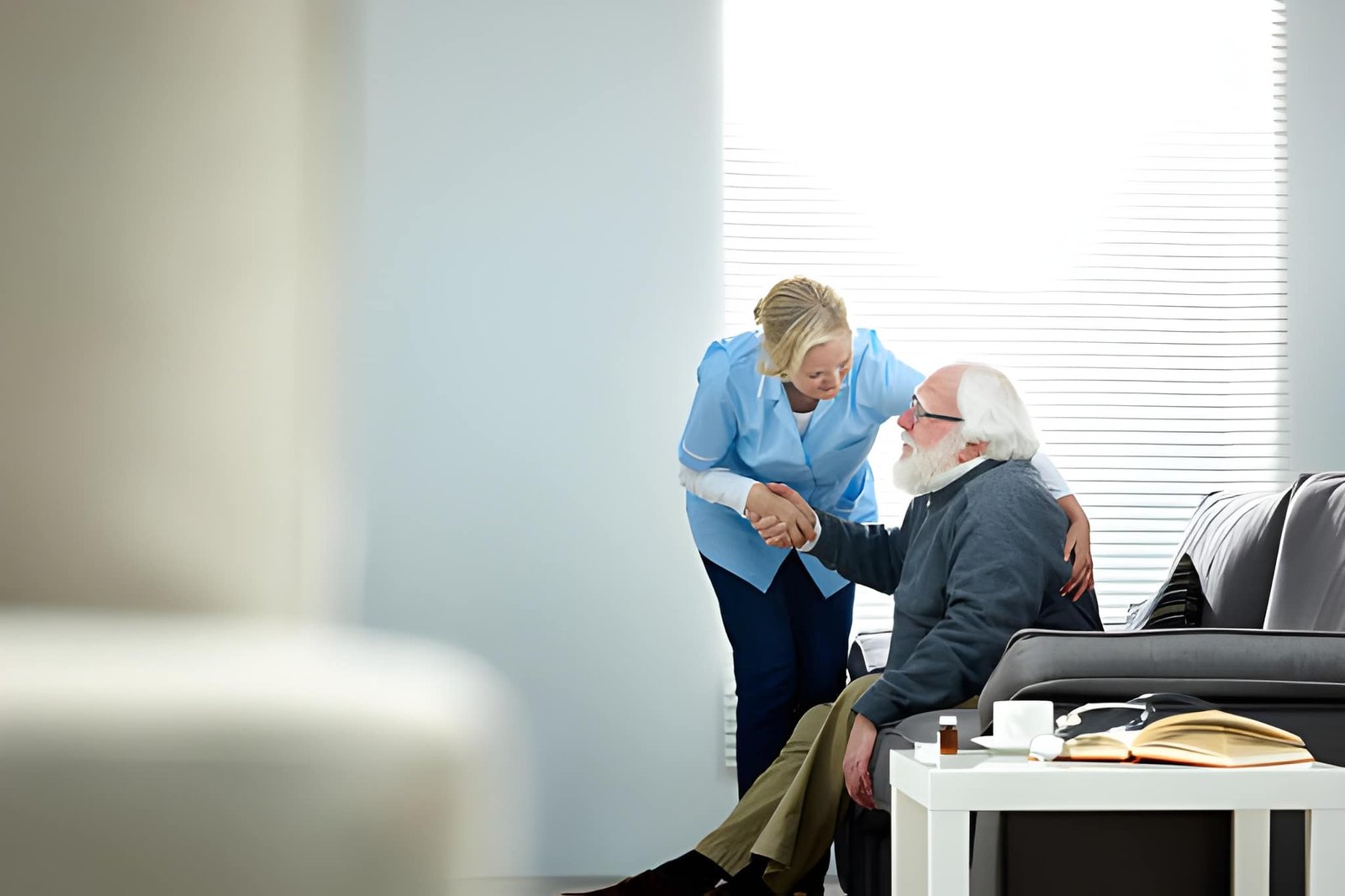
Balance, reaction time, and muscle strength shift gradually for many people as they get older, though not in the same way or at the same pace for everyone. Some people notice changes in how quickly they can catch themselves after a stumble. Others find that vision changes make it harder to judge the edge of a step in low light, or that certain medications affect coordination or alertness. None of this means someone is fragile or unable to manage on their own it means the environment around them matters more than it used to.
A home that’s easy to move through safely tends to support independence rather than limit it. When light switches are within reach, floors are predictable, and grab bars are where you need them, everyday tasks like showering or going downstairs for coffee stop requiring extra caution. The goal of a safety review isn’t to sanitize a home or make it feel clinical it’s to remove the handful of hazards that cause most accidents, so the person living there can keep doing things their own way.
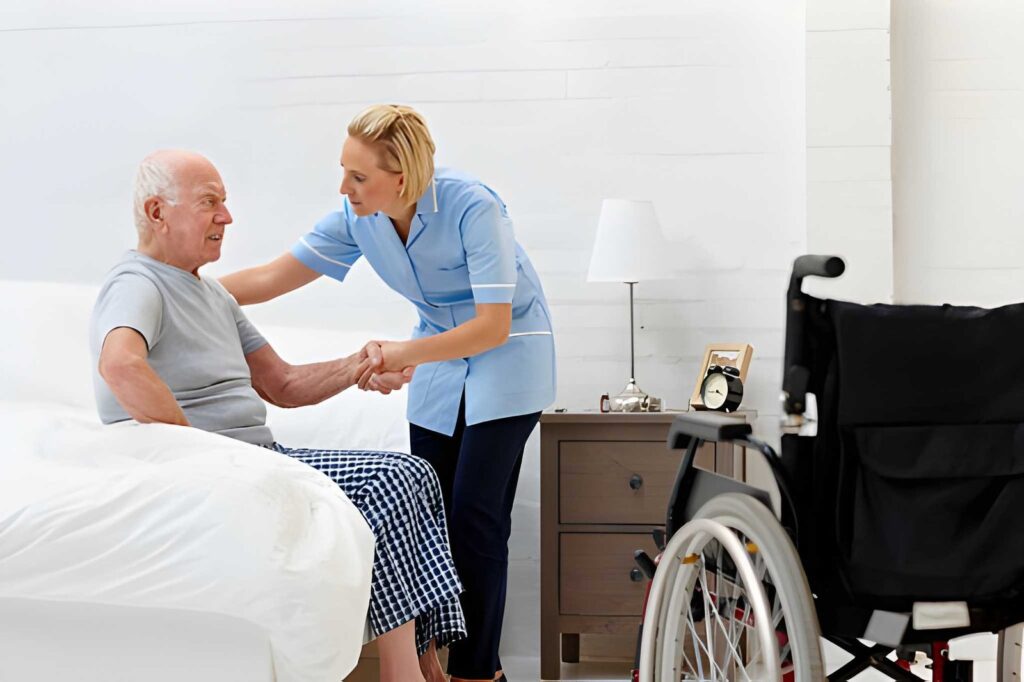
Elderly Home Safety Checklist
Here’s a room-by-room list of roughly 30 checks. Not every item will apply to every home pick the ones that match the space you’re evaluating.
General Home Safety
- Clear pathways of boxes, cords, plant stands, and anything else that narrows a walkway
- Keep frequently used items glasses, remote, phone, medications on a low table within arm’s reach of a favorite chair
- Arrange furniture so there’s a clear, wide path between rooms
- Post emergency numbers on the fridge and save them in the phone
- Fix or replace any wobbly furniture used for support, like a side table someone might lean on to stand up
- Store heavier or bulkier items on lower shelves, lighter items up high
Lighting and Visibility
- Use bright, even lighting in every room dim, yellow-tinted bulbs make it harder to judge distances and edges
- Add plug-in night lights in hallways, bedrooms, and bathrooms
- Make sure stairways are lit at both the top and bottom, with a switch at each end
- Put light switches near doorways so no one has to cross a dark room to turn on a lamp
- Replace burnt-out bulbs quickly rather than living with a dim fixture
Floors and Walking Areas
- Remove throw rugs, or secure them with non-slip backing and double-sided tape
- Fix uneven flooring transitions, especially between rooms with different flooring types
- Tape down or reroute cords so they don’t cross a walking path
- Wipe up spills immediately, and keep floors free of clutter like shoes or magazines
- Check thresholds between rooms or leading outside even a half-inch lip can catch a foot
Furniture and Everyday Movement
- Choose chairs with sturdy arms that make it easier to push up to standing
- Avoid seating that’s too low or too soft to get out of easily
- Keep a stable piece of furniture near entryways for balance while putting on shoes
- Make sure no furniture blocks the direct route from bed to bathroom
- Skip furniture with sharp corners in high-traffic areas
Elderly Home Safety Checklist by Area
| Area | What to Check | Common Risk | Safer Approach |
|---|---|---|---|
| Entryway | Steps, mats, lighting | Loose mats, uneven steps, poor lighting at night | Use non-slip mats, add motion-sensor lighting, mark step edges |
| Living Room | Rugs, cords, seating | Trip hazards, chairs too low to rise from | Secure or remove rugs, route cords along walls, choose firm chairs with arms |
| Bedroom | Path to bathroom, bed height | Dark path at night, bed too low or too high | Add a night light, adjust bed height so feet reach the floor easily |
| Bathroom | Tub/shower entry, toilet height | Slippery surfaces, nothing to hold onto | Install grab bars, use a non-slip mat, consider a raised toilet seat |
| Kitchen | Storage height, floor surface | Reaching high shelves, greasy or wet floors | Store daily items at waist height, clean spills right away |
| Stairs | Handrails, lighting, clutter | Missing rail, dim lighting, items stored on steps | Install rails on both sides if possible, light every step, keep steps clear |
| Hallways | Width, lighting, flooring | Furniture narrowing the path, dark stretches | Widen the path, add night lights along the route |
| Garage | Flooring, lighting, storage | Oil stains, boxes in the walkway, dim lighting | Keep the path to the car clear, add bright overhead lighting |
| Outdoor Areas | Walkways, steps, railings | Cracked pavement, no handrail, poor lighting | Repair cracks, add railings to steps, install exterior lights |
Preventing Falls at Home
Falls rarely have one single cause. More often, it’s a combination a person is a little tired, the hallway is dim, and there’s a rug edge curling up near the bathroom door. Clutter, poor lighting, loose rugs, wet floors, and stairs are the usual suspects, but footwear plays a bigger role than people expect. Slippers without backs or worn-down shoe treads make it harder to catch a stumble before it becomes a fall.
Reducing risk usually comes down to a few habits: keeping floors clear, fixing lighting gaps, and making sure the things used most often glasses, phone, medications don’t require reaching, climbing, or bending. Bathrooms deserve special attention because water and hard surfaces are a rough combination, and that’s covered in more detail below.
What to Do After a Fall
If a fall happens, the first step is to stay still for a moment rather than rushing to get up. Check for pain, dizziness, or anything that feels seriously wrong before attempting to move. If there’s severe pain, a possible head injury, loss of consciousness, trouble breathing, or the person simply can’t get up safely on their own, call emergency services rather than trying to force a recovery. Even a fall that seems minor is worth mentioning to a doctor, since some injuries like small fractures don’t always cause immediate, obvious symptoms.
Bathroom Safety
Bathrooms combine hard, slippery surfaces with tight spaces, which is exactly why bathroom safety for seniors deserves extra attention. A few changes make a real difference:
- Install grab bars near the toilet and inside the shower or tub and make sure they’re anchored into wall studs or a blocking board, not just drywall. A towel bar is not designed to bear weight and shouldn’t be used as a substitute.
- Use a non-slip mat or adhesive strips on the tub or shower floor.
- Consider a shower seat for anyone who tires standing for a full shower, along with a handheld showerhead for easier rinsing while seated.
- Keep the bathroom well lit, including inside the shower area.
- A raised toilet seat can make sitting down and standing back up considerably easier for some people.
- Set the water heater so it can’t scald water that’s too hot is a real risk, especially if sensation or reaction time has changed.
- Make sure outlets near sinks are GFCI-protected, and keep the floor dry as a matter of habit.
- Store soap, shampoo, and towels within easy reach so there’s no need to stretch or climb.
Because grab bars need to hold real weight, it’s worth having them installed by someone who can locate studs or use proper anchors, rather than guessing.
Bedroom Safety
Nighttime trips to the bathroom are one of the more common times for a fall, simply because the room is dark and the person is groggy. A clear, unobstructed path from bed to bathroom door matters more than almost anything else in this room. A night light along that route, or a lamp within reach of the bed, removes most of the risk.
Other things worth checking: bed height that lets feet touch the floor comfortably when sitting on the edge, a phone or call button within reach of the bed, no cords running across the floor, and no space heaters placed near bedding or curtains. Shoes, clothing, and bags left on the floor overnight are an easy thing to trip over in the dark a small basket or hamper nearby solves that.
Kitchen Safety
The kitchen mixes heat, sharp objects, and reaching a combination worth thinking through carefully. Keep pot handles turned inward while cooking so they can’t be bumped, and never leave the stove unattended while something is on the burner. Appliance cords should be short enough that they don’t dangle where they can be caught.
Store the items used daily plates, mugs, everyday cookware between waist and shoulder height so there’s no need for a step stool or ladder. If something does need to be pulled down from a high shelf, it’s worth having a second person handle it rather than climbing. Keep cleaning products separate from food storage, wipe up spills as they happen, and make sure the area around the stove and sink is well lit.
Stairway Safety
Stairs deserve their own careful look, since a fall here tends to be more serious than one on a flat surface. Handrails should run the full length of the stairway on at least one side, ideally both, and should be sturdy enough to bear real weight if grabbed suddenly. Each step should be lit clearly a shadow across a stair edge can hide exactly the detail someone needs to see.
Loose carpet runners or worn treads are worth replacing or securing, and stairs should never double as a storage shelf for shoes, books, or laundry waiting to go down. Carrying anything bulky enough to block the view of the steps is worth avoiding better to make two trips. If someone is finding the stairs genuinely difficult because of mobility changes, that’s a sign worth discussing with a doctor or occupational therapist rather than something to push through.
Emergency Preparedness for Seniors
A safe home also means being ready if something does go wrong. A written list of emergency contacts family, doctor, pharmacy kept somewhere visible, like the fridge, is worth having even in the age of smartphones. Smoke alarms and carbon monoxide detectors should be tested regularly and have working batteries; for anyone with hearing loss, alarms with strobe lights or bed-shaker attachments are worth looking into.
A fire extinguisher in the kitchen, a clear sense of at least two ways out of the house, and a flashlight kept somewhere easy to find during a power outage round out the basics. It’s also worth keeping a short written summary of medications and medical conditions somewhere accessible, in case paramedics need it quickly. During severe weather, having a few days of water, medication, and non-perishable food on hand avoids a last-minute scramble.
Home Security for Older Adults
Security and safety overlap more than people expect. Solid locks on doors and windows, a working door viewer or video doorbell, and good exterior lighting all make a home harder to target and easier to feel comfortable in. Keeping the path to the front door clear also matters for a very practical reason it’s the route emergency responders will use, and house numbers that are visible from the street help them find the right home quickly.
It’s worth having a simple rule about not opening the door to unfamiliar visitors without checking who they are first, whether through a viewer, a camera, or a window.
When Should a Home Be Professionally Assessed?
A checklist like this one catches a lot, but it can’t catch everything. If someone has fallen more than once, finds the stairs consistently difficult, or the bathroom feels genuinely hard to use safely, it’s worth bringing in outside help. An occupational therapist can assess how a person actually moves through their home and recommend specific modifications. For structural issues, electrical problems, gas concerns, or major renovations like widening doorways or adding a walk-in shower, a licensed contractor or the relevant specialist is the right call the correct professional depends on what the problem actually is. Water damage, in particular, is worth having checked promptly, since it can quietly weaken flooring or create mold issues.
Simple Senior Home Safety Checklist
A printable version to keep handy:
☐ Walkways are clear of clutter and cords ☐ Rugs are secured or removed ☐ Hallways and stairways are well lit ☐ Stairways have secure handrails on at least one side ☐ Bathroom floors are slip-resistant ☐ Grab bars are properly installed near the toilet and shower ☐ Shower or tub has a non-slip mat ☐ Bed height allows feet to reach the floor easily ☐ A night light is placed along the path from bed to bathroom ☐ Frequently used kitchen items are within easy reach ☐ Stove and appliance cords are secured ☐ Smoke alarms are tested and working ☐ Carbon monoxide detectors are tested and working ☐ A fire extinguisher is accessible in the kitchen ☐ Emergency contact list is posted and saved in the phone ☐ Door and window locks are secure ☐ Exterior lighting works at all entrances ☐ House numbers are visible from the street
FAQs
What should be included in an elderly home safety checklist? A thorough checklist covers every major area of the home entryways, living spaces, bedrooms, bathrooms, kitchens, and stairs looking at lighting, flooring, furniture stability, and access to grab bars or handrails. It should also include emergency basics like working smoke alarms and an accessible contact list.
What are the most common home hazards for seniors? Loose rugs, dim lighting, cluttered walkways, slippery bathroom floors, and unsecured cords tend to cause the most trouble. Stairs without solid handrails and furniture that’s hard to get in or out of are also common culprits.
How can I prevent falls for an elderly person at home? Start with lighting and clear floors, since those two changes prevent a large share of trips. Add grab bars in the bathroom, secure or remove loose rugs, and make sure frequently used items don’t require reaching or climbing to access.
What is the safest way to make a bathroom safer for seniors? Install properly anchored grab bars near the toilet and shower, use non-slip mats, and improve lighting. A shower seat and handheld showerhead can also help reduce fatigue and the risk of slipping while standing.
How can I make stairs safer for an older adult? Add handrails along the full length of the stairway, light each step clearly, and keep stairs completely clear of stored items. Secure any loose carpet runners and avoid carrying bulky items that block the view of the steps.
What should I check in a senior’s bedroom? Focus on the path between the bed and the bathroom it should be clear and well lit, ideally with a night light. Check that the bed height is comfortable for sitting and standing, and that a phone is within reach.
How often should an elderly person’s home be checked for safety? A full walkthrough once or twice a year is a reasonable baseline, with a quick check after any change in health, mobility, or after a fall. Smoke alarms and carbon monoxide detectors should be tested more frequently, roughly once a month.
When should I consider a professional home safety assessment? If falls have happened more than once, stairs or the bathroom feel consistently difficult to use, or there are structural, electrical, or gas concerns, it’s worth bringing in an occupational therapist or licensed contractor to take a closer look than a checklist alone can provide.