
You’ve walked past that frayed lamp cord a hundred times. You know the smoke alarm in the hallway has been beeping intermittently for weeks, and you’ve meant to deal with it. Most households have a handful of these small, overlooked problems not because anyone is careless, but because familiarity makes hazards invisible. You stop noticing the things you see every day.
A home safety assessment is a way to reset that blind spot. It’s a structured walkthrough of your house, room by room, looking specifically for the kinds of hazards that cause house fires, falls, electrical accidents, and break-ins. It doesn’t require special tools or training. It just requires slowing down and looking at your home the way a stranger would.
This guide walks through exactly how to do that, room by room, so you can identify problems before they turn into injuries, fires, or expensive repairs.
What Is a Home Safety Assessment?
A home safety assessment is a self-guided review of your home’s condition, focused on identifying hazards related to fire, electrical systems, falls, security, and general household safety. It’s something any homeowner or renter can do on their own, usually in an hour or two, without hiring anyone.
That’s the main difference between a home safety assessment and a professional home inspection. A home inspection the kind typically done before buying a house is a formal evaluation of structural components, roofing, plumbing, HVAC systems, and code compliance, usually performed by a licensed inspector. A home safety assessment is less technical and more practical. You’re not evaluating whether your foundation meets code; you’re checking whether your smoke alarms work, your walkways are clear, and your outlets aren’t overloaded.
During a basic walkthrough, homeowners should look for a few broad categories of hazards:
- Fire risks (faulty wiring, blocked exits, unattended heat sources)
- Fall and trip hazards (loose rugs, poor lighting, cluttered stairs)
- Electrical hazards (damaged cords, overloaded outlets, missing GFCI protection)
- Security gaps (weak locks, poor exterior lighting, accessible entry points)
- Hazards specific to children or older adults living in the home
Most of these problems are visible if you know what to look for. You don’t need to open up walls or test wiring with specialized equipment a careful visual walkthrough catches the majority of common issues. That’s really the value of a home safety assessment: it turns “I should probably check on that someday” into an actual completed task.

Why Conduct a Home Safety Assessment?
The honest reason most people skip this is that nothing bad has happened yet. But that’s exactly the problem small hazards tend to sit quietly until a specific set of circumstances lines up. A space heater too close to a curtain isn’t dangerous every day. It’s dangerous the one day someone bumps into it, or forgets to turn it off before falling asleep.
A regular home safety assessment gives you a chance to catch these situations before they become incidents. A few concrete reasons this matters:
It reduces fire risk in a meaningful way. Cooking equipment, heating devices, and electrical systems are behind a large share of residential fires. Checking these areas regularly means you’re not relying on luck.
It catches electrical problems early. A warm outlet or a flickering light might seem minor, but these are often early signs of wiring issues that get worse and more expensive the longer they’re ignored.
It prevents falls, especially for older residents. Loose stair railings, poor lighting, and cluttered walkways are common causes of household falls, and they’re also some of the easiest things to fix once you notice them.
It closes security gaps. A lock that doesn’t quite catch, or a side door that’s rarely checked, can be an easy opportunity for someone looking for one.
It protects the people most at risk. Young children and older adults are disproportionately affected by household hazards a toddler with cabinet access, or a grandparent navigating a dim staircase. An assessment lets you look at your home through their eyes specifically.
It saves money down the line. A small electrical fix now is cheaper than fire damage later. A grab bar installed today is cheaper than a hospital visit after a fall.
None of this requires panic or paranoia. It just requires occasionally treating your home like something you’re inspecting, not just living in.
Room-by-Room Home Safety Assessment
The easiest way to do this thoroughly is to move through your home systematically, one room at a time, rather than jumping around based on what catches your eye. Bring a notepad or your phone so you can jot down anything that needs fixing, and don’t try to fix things as you go just document first, then tackle the list afterward.
Kitchen Safety Assessment
The kitchen usually has the highest concentration of fire and burn risks in the house, mostly because it combines heat, electricity, and grease in one space.
Start with the stove and oven. Check that burner knobs turn smoothly and that nothing flammable paper towels, oven mitts, curtains sits within reach of the burners. Grease buildup on the stovetop or inside the range hood is a real fire risk; if it’s been a while since you cleaned behind the burners, that’s worth doing.
Look at your electrical appliances next. Toasters, coffee makers, and mixers should have intact cords with no fraying or exposed wire. Avoid running cords under rugs or across sinks. Count how many things are plugged into a single outlet kitchens often get overloaded because there are so many small appliances.
If you have gas appliances, check for the faint rotten-egg smell associated with gas leaks. If you ever notice this, don’t investigate further yourself leave the house and call your gas utility or 911.
Confirm you have a working fire extinguisher rated for kitchen fires, and that it’s stored somewhere accessible, not buried in a cabinet behind cleaning supplies. Test the smoke alarm nearest the kitchen (it should be close enough to detect smoke but not so close that cooking constantly sets it off).
Finally, check storage. Knives should be out of reach of children, cleaning chemicals should be stored separately from food, and cabinets with hazardous items should have child locks if young kids are in the home. Look down at the floor too spilled liquids, worn rugs, or uneven flooring near the sink are common slip hazards.
Bedroom Safety Assessment
Bedrooms seem low-risk, but they’re where people spend unconscious hours, which raises the stakes for fire and fall hazards.
Every bedroom should have a working smoke alarm, ideally inside or just outside the room. If you use a space heater, keep it at least three feet from bedding, curtains, or furniture, and never leave it running while you sleep or leave the room.
Check outlets and extension cords. Cords running under carpet or pinched behind furniture can overheat without anyone noticing. If you’re using power strips to compensate for too few outlets, that’s a sign to consider having an electrician add outlets rather than relying on strips long-term.
Make sure pathways between the bed and the door are clear, especially in the dark a nightlight helps here. Confirm windows open and lock properly, since bedroom windows sometimes double as emergency exits. Heavy furniture like dressers or bookshelves should be anchored to the wall, particularly in kids’ rooms, since tip-over incidents are a real and underappreciated risk.
If an older adult sleeps upstairs, think about whether a ground-floor bedroom would reduce fall risk during an emergency evacuation.
Bathroom Safety Assessment
Bathrooms combine water, electricity, and hard surfaces a combination that makes small oversights more consequential than in other rooms.
Check the floor first. Bath mats should have non-slip backing, and the tub or shower floor should have a mat or textured surface if it doesn’t already. Grab bars near the tub and toilet are worth installing for older adults, even before they feel necessary.
Electrical outlets in bathrooms should be GFCI-protected these outlets have a test/reset button and are designed to cut power quickly if moisture is detected. If your bathroom outlets don’t have this button, that’s worth having an electrician address, since standard outlets near water are a real shock hazard.
Check your water heater setting; scalding is a genuine risk, especially for children and older adults, and most water heaters can be safely lowered without much effect on comfort. Keep hair dryers and other appliances away from the sink and tub, and unplug them after use rather than leaving them near water.
Medication should be stored somewhere children can’t reach, ideally in a locked cabinet if young kids are around. Look for mold or moisture stains near the tub, sink, or ceiling beyond being a health issue, ongoing moisture problems can indicate a leak that’s damaging the structure behind the wall. Finally, make sure the room has enough lighting, particularly around the shower and toilet area, since bathrooms are a common site for nighttime falls.
Living Room Safety Assessment
The living room tends to accumulate cords, furniture, and electronics, so most hazards here relate to overloaded circuits and trip risks.
Trace your cords. TV, gaming systems, lamps, and chargers often end up bundled together, sometimes plugged into a single overloaded power strip. If you’re using extension cords as permanent wiring solutions rather than temporary fixes, that’s worth changing.
Check that furniture, especially bookshelves and entertainment centers, is stable and anchored if you have kids who might climb. Rugs should have non-slip backing or be secured with tape, since loose rugs are a classic trip hazard, particularly for older adults.
If you have a fireplace, check that the damper opens and closes properly and that the area around it is clear of anything flammable. Space heaters in the living room follow the same rules as in bedrooms distance from anything flammable, and never left running unattended.
Confirm windows open and lock, and that furniture isn’t blocking a window that might serve as an emergency exit. Living rooms are also a good spot to double-check that you have a smoke alarm and, if you use fuel-burning appliances or have an attached garage, a carbon monoxide detector nearby.
Garage Safety Assessment
Garages often function as storage for things that don’t belong anywhere else in the house, which means they accumulate flammable materials in one enclosed space.
Check how gasoline, propane, paint, and other chemicals are stored. These should be in approved containers, away from any heat source, and ideally not directly next to your car, given how much heat a running engine or exhaust system generates.
Power tools should be unplugged when not in use, with cords in good condition. Look at your electrical setup garages often rely on a single outlet for multiple tools, which invites overloading. If you’ve added a workshop area, it may be worth having an electrician assess whether the circuit can handle it.
Test your garage door’s auto-reverse safety feature by placing something in its path while it closes; it should stop and reverse immediately. Keep a fire extinguisher in the garage, since this is one of the more likely spots for a fire to start given the fuel and equipment involved.
Check for trip hazards garages tend to become general storage, and boxes or tools left in walking paths are easy to miss until someone trips over them in low light. Finally, confirm the garage has adequate ventilation, especially if you ever run a vehicle or gas-powered equipment inside, even briefly.
Outdoor Areas
Exterior hazards are easy to overlook because they’re outside your daily indoor routine, but they matter just as much, especially for visitors and older family members.
Walk your walkways and stairs. Cracks, uneven pavement, and loose steps are common fall hazards, particularly at night. Railings should be sturdy grab them and shake gently to check for looseness. Outdoor lighting near entry points and walkways reduces both fall risk and the chance of an intruder approaching unnoticed.
If you have a pool, check that fencing is intact and gates self-close and latch properly; this is one of the more serious hazards for households with young children. Fences and gates around the yard in general should be checked for stability and secure latches.
Grills should be positioned away from siding, railings, and anything flammable, and propane connections should be checked periodically for leaks (a soapy water test on connections will show bubbling if there’s a leak). Decks and balconies deserve a look at railing stability and any soft or rotting boards.
If you have a designated play area for kids, check play equipment for stability and look at the ground surface underneath — hard surfaces under swings or climbing equipment increase injury risk from falls. Finally, look up: overhanging tree branches near the roof or power lines are worth having a professional address before a storm brings them down.
Home Safety Assessment Checklist by Area
| Area | What to Check | Common Hazard | Recommended Action |
|---|---|---|---|
| Kitchen | Stove, cords, storage, smoke alarm | Grease buildup, overloaded outlets | Clean range hood, unplug unused appliances, test alarm |
| Bedroom | Heaters, cords, exits, furniture | Space heater too close to bedding | Keep heaters 3+ feet from fabric, anchor furniture |
| Bathroom | Flooring, outlets, water temp | Missing GFCI protection, slippery floors | Install GFCI outlets, add non-slip mats |
| Living Room | Cords, rugs, fireplace | Overloaded power strips | Redistribute plugs, secure rugs |
| Garage | Chemical storage, tools, ventilation | Flammables stored near heat sources | Store chemicals in approved containers away from heat |
| Outdoor Areas | Walkways, pool fencing, lighting | Cracked steps, unlatched pool gates | Repair walkways, install self-closing gate latches |
| Electrical System | Outlets, breakers, wiring | Warm outlets, flickering lights | Have an electrician inspect the circuit |
| Fire Safety | Alarms, extinguishers, exits | Dead alarm batteries, blocked exits | Replace batteries, clear exit paths |
| Home Security | Locks, cameras, exterior lighting | Weak door strikes, dark entry points | Upgrade locks, add motion lighting |
Fire and Electrical Safety Checks
Fire and electrical hazards deserve extra attention because they’re both common and preventable with a bit of routine checking.
Fire Safety
Test every smoke alarm in the house by pressing the test button, and replace batteries at least once a year if your units aren’t hardwired. Carbon monoxide alarms deserve the same attention, particularly if you have gas appliances, a fireplace, or an attached garage carbon monoxide has no smell, so the alarm is often the only warning you’ll get.
Keep at least one fire extinguisher on each level of the house, and make sure everyone in the household knows where they are and roughly how to use one. Walk through your escape routes from each bedroom, is there a clear path to an exit? If a bedroom is upstairs, is there a secondary escape option like a window, and does everyone know how to use it?
Pay close attention to cooking areas, since unattended stovetops are one of the more common sources of house fires. The same goes for heating equipment space heaters, fireplaces, and wood stoves all need clearance from anything flammable. Check your dryer’s lint trap and exhaust vent periodically too; a clogged dryer vent is a fire risk that’s easy to forget about because the appliance still seems to work fine.
It’s worth having a short family conversation about what to do in a fire where to meet outside, and the reminder that getting out matters more than gathering belongings.
Electrical Safety
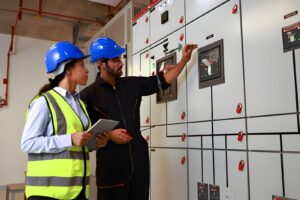
Walk through your home looking specifically for damaged wires, cracked outlet covers, and cords that feel warm to the touch. Overloaded outlets and power strips are one of the most common electrical hazards if you’re using several power strips just to have enough plugs, that’s a sign your home may need more outlets, not more strips.
Extension cords should be a temporary solution, not a permanent fixture behind your TV stand. GFCI outlets belong in kitchens, bathrooms, garages, and anywhere near water; if you’re not sure whether yours has this protection, look for the outlet with the test and reset buttons.
Flickering lights, a persistent burning smell, or an outlet that feels warm are all signs that something behind the wall may not be right. These aren’t situations to troubleshoot yourself turn off the affected circuit at the breaker if you can safely do so, and call a licensed electrician. Electrical problems are one of the clearest lines between a DIY check and a job for a professional.
Home Security Checks
A home safety assessment isn’t just about fire and falls it should also cover how easily someone could get into your home who shouldn’t be there.
Check every exterior door lock, not just the front door. Deadbolts should extend fully, and strike plates should be secured with long screws that reach the door frame studs, not just the trim. Window locks are worth checking too, especially on ground-floor windows.
Exterior lighting near entry points makes your home less appealing to anyone casing the area, and motion-activated lights are a low-effort way to add this. If you have a garage, make sure the entry door from the garage into the house locks just like an exterior door would this is a commonly overlooked entry point.
Security cameras and doorbell cameras aren’t required, but they do add a layer of visibility, and many options now don’t require professional installation. Whether or not you have a monitored alarm system, think about how visible your entry points are from the street overgrown bushes near a door can give an intruder cover.
Don’t overlook the mundane stuff: a spare key under the mat is one of the first places anyone would check, so if you keep a spare, use a lockbox instead. Finally, make sure your house number is visible from the street, in good lighting this matters more than people expect when emergency responders are trying to find your home quickly.
How Often Should You Assess Your Home?
You don’t need to do a full walkthrough every week. A tiered approach works better — quick checks monthly, a deeper review a few times a year, and full assessments after major life events.
| Frequency | What to Check |
|---|---|
| Monthly | Test smoke alarms, check for tripping hazards, glance at cords and outlets |
| Seasonally | Full room-by-room walkthrough, check heating equipment before winter, check outdoor areas before storm season |
| After moving in | Full assessment of every room, locks, and electrical system before settling in |
| After renovations | Recheck any room where work was done, especially electrical and structural changes |
| After adding appliances | Confirm proper installation and outlet capacity |
| After a child or older adult moves in | Reassess childproofing or fall-prevention needs specific to that person |
| After storms or flooding | Check for water damage, electrical issues, and structural concerns before resuming normal use |
When Should You Hire a Professional?
Plenty of home safety issues can be handled with a screwdriver and some common sense. Others genuinely require a licensed professional, and knowing the difference matters.
Call an electrician if you notice warm outlets, burning smells, flickering lights across multiple rooms, or breakers that trip repeatedly. These can indicate wiring problems inside the walls that aren’t safe to investigate yourself.
If you smell gas anywhere in your home, leave immediately and call your gas utility or emergency services from outside — this isn’t a wait-and-see situation.
Structural concerns — cracks that seem to be growing, sagging floors, or a door that suddenly won’t close properly — are worth having a professional evaluate, since these can point to foundation issues. The same goes for major water damage or a leaking roof; what looks like a small stain can indicate a larger problem behind the surface.
Serious fire damage, even if contained quickly, often needs professional assessment to check for hidden damage to wiring or structure. Persistent mold, especially anything beyond a small, easily cleaned patch, may need a specialist, since it can indicate an underlying moisture problem.
And if you’re installing a security system with wired cameras or sensors, professional installation ensures everything is placed correctly and actually functions the way you expect during an emergency.
The general rule: if a fix requires opening up walls, working with gas lines, or you’re not fully confident about what’s causing a problem, that’s the point to call someone qualified rather than guess.
Simple Home Safety Assessment Checklist
Use this as a quick reference you can save, print, or copy onto your phone.
☐ Test every smoke alarm in the house ☐ Test carbon monoxide detectors ☐ Replace alarm batteries if needed ☐ Inspect all visible cords for fraying or damage ☐ Check for overloaded outlets and power strips ☐ Confirm GFCI outlets are working in kitchens and bathrooms ☐ Check emergency exits from each bedroom ☐ Inspect stairs, railings, and handrails for stability ☐ Check bathroom floors and tubs for slip hazards ☐ Confirm grab bars are secure, if installed ☐ Secure heavy furniture that could tip over ☐ Inspect kitchen appliances and clean grease buildup ☐ Check that chemicals and medications are stored safely ☐ Confirm fire extinguishers are accessible and charged ☐ Check exterior lighting at all entry points ☐ Test all exterior door and window locks ☐ Check garage door auto-reverse safety feature ☐ Inspect pool fencing and self-closing gates, if applicable ☐ Look for tripping hazards in walkways, both indoor and outdoor ☐ Review your household’s fire escape plan
FAQs
What is included in a home safety assessment? A home safety assessment typically covers fire risks, electrical hazards, fall and trip hazards, and home security. It involves walking through each room of the house checking smoke alarms, cords, outlets, storage of hazardous materials, and structural details like railings and locks. It’s meant to be practical and visual, not a technical inspection.
How do I perform a home safety inspection myself? Go room by room with a checklist, checking for the hazards specific to that space cords and appliances in the kitchen, heaters and exits in bedrooms, slip risks in bathrooms. Test alarms, check locks, and note anything that needs repair. It typically takes one to two hours for an average home.
How often should you conduct a home safety assessment? A quick check monthly, covering alarms and obvious hazards, works well for most households. A more detailed seasonal review, plus a full assessment after moving in, renovating, or a major life change, covers the rest. Storms or flooding should also prompt an extra check.
What are the most common home safety hazards? Overloaded outlets, damaged cords, missing or dead smoke alarm batteries, loose rugs, poor lighting on stairs, and unsecured furniture tend to show up most often. Most of these are inexpensive and quick to fix once identified.
What is the difference between a home inspection and a home safety assessment? A home inspection is a formal, often pre-purchase evaluation performed by a licensed inspector, covering structural and system-level details. A home safety assessment is a homeowner-led walkthrough focused specifically on everyday hazards like fire, electrical, and fall risks no license or special tools required.
When should I hire a professional for a home safety assessment? Bring in a professional when you notice signs of electrical problems, suspect a gas leak, see structural cracks or sagging, or find significant water or fire damage. These situations often involve hazards that aren’t safe to diagnose without training.
What should I include in a home safety checklist? Cover smoke and carbon monoxide alarms, electrical cords and outlets, fall hazards like stairs and rugs, kitchen and bathroom-specific risks, storage of chemicals and medications, and home security items like locks and exterior lighting. A checklist works best when it’s specific to your home’s layout.
How can I make my home safer for children and older adults? For children, focus on childproofing cabinets, securing furniture that could tip, and keeping chemicals and medications out of reach. For older adults, prioritize fall prevention grab bars, better lighting, clear pathways, and stable railings. Both groups benefit from a home where hazards have been actively identified rather than assumed away.
Final Thoughts
A home safety assessment isn’t a one-time project it’s a habit that pays off in small increments. Most of the hazards covered here don’t require a contractor or a big budget to fix. A frayed cord gets replaced. A rug gets taped down. A smoke alarm gets a new battery. None of that takes long, but skipping it is how small problems turn into serious ones.
The most useful thing you can do after reading this is simple: pick a weekend, walk through your home room by room, and actually check the things on this list instead of assuming they’re fine. You’ll probably find at least a few small issues worth fixing and that’s the whole point of doing the assessment in the first place.