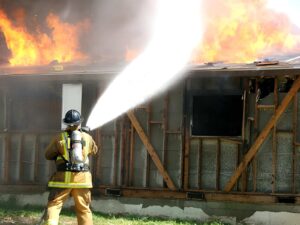
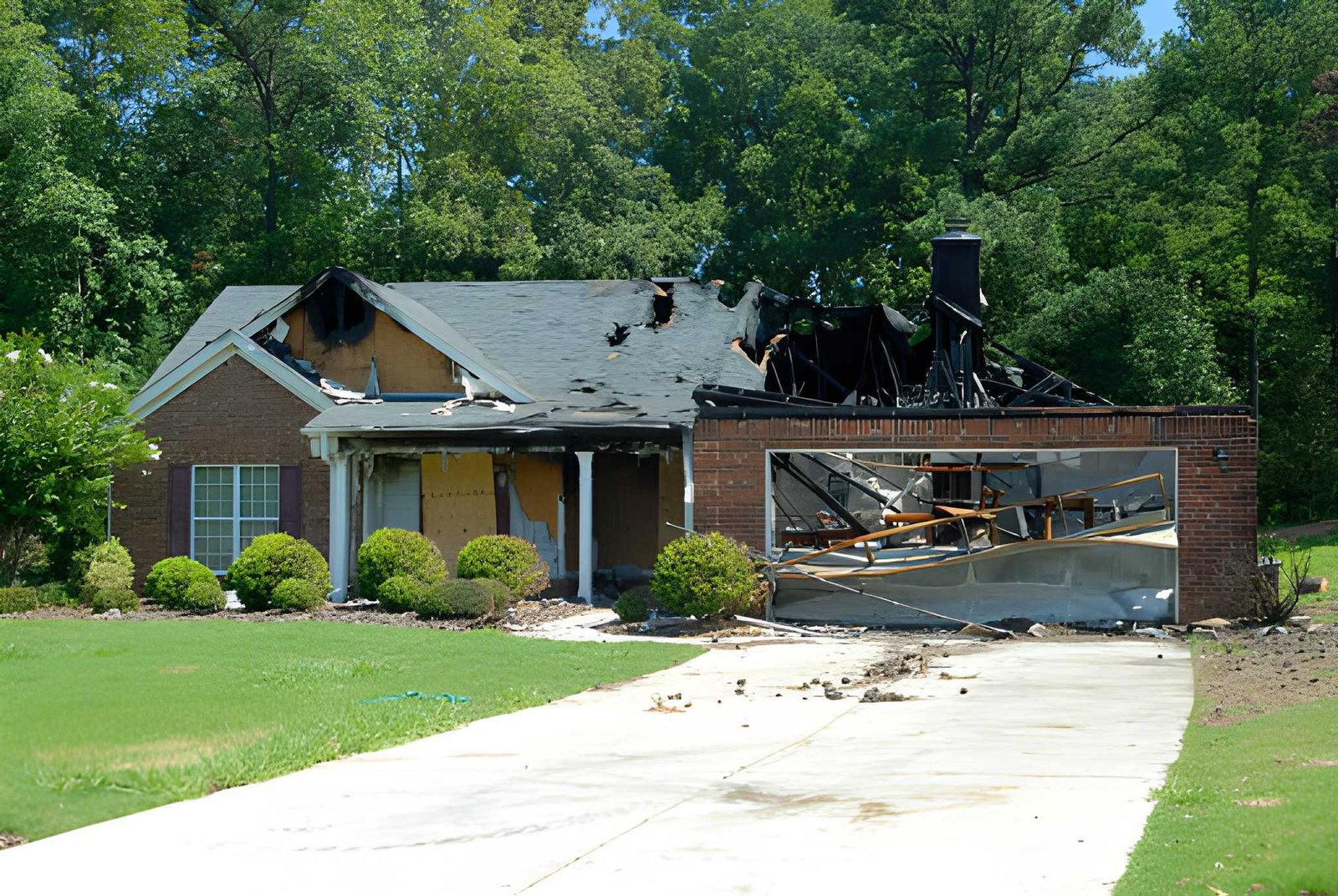
Most house fires don’t start with anything dramatic. They start with a pan left on the stove for “just a minute,” a phone charger tucked under a pillow, or a space heater sitting a little too close to the couch. The most common cause of house fires is almost always something ordinary a routine that goes slightly wrong, a piece of equipment that’s aging, or a moment of distraction.
Understanding where these risks come from is the first step toward reducing them. Cooking, electrical systems, heating equipment, candles, smoking materials, and curious children account for the overwhelming majority of residential fires, and each of these hazards behaves differently depending on how a home is used.
This guide walks through the major causes of residential fires in detail what the hazard actually is, why it leads to fire, the situations where it tends to show up, the warning signs worth watching for, and the prevention steps that make a real difference. Whether you own your home, rent an apartment, or just want your household to be safer, the goal here is practical: fewer surprises, fewer near-misses, and a home that’s easier to protect.
What Causes Most House Fires?
Residential fires tend to cluster around a small number of everyday causes. The exact ranking can shift depending on the region, the reporting agency, and the time of year winter months, for example, typically see more heating-related incidents, while cooking fires remain a steady risk year-round. Rather than focusing on precise rankings, it’s more useful for homeowners to understand the full range of common causes of house fires and how each one develops.
The major categories include:
- Cooking unattended stovetops, grease fires, and forgotten ovens
- Electrical problems damaged wiring, overloaded circuits, and faulty appliances
- Heating equipment space heaters, furnaces, and fireplaces used improperly
- Candles and open flames unattended or poorly placed candles
- Smoking materials improperly discarded cigarettes or smoking indoors
- Children playing with fire matches, lighters, and unsupervised curiosity
- Flammable materials chemicals, aerosols, and clutter stored near heat sources
- Improperly used appliances dryers, generators, and damaged cords
- Other household hazards grills, chimneys, and battery-related fires
No single list will apply perfectly to every household, but these categories cover the vast majority of home fire hazards. The table below offers a quick overview before we go deeper into each one.
Table: Common House Fire Causes at a Glance
| Fire Cause | Common Risk | How to Reduce the Risk |
|---|---|---|
| Cooking | Grease ignition, unattended stovetops | Stay in the kitchen; keep flammable items away from burners |
| Electrical wiring | Overheating from damaged or overloaded circuits | Inspect cords regularly; avoid overloading outlets |
| Heating equipment | Combustibles placed too close to heat | Maintain clearance; service equipment annually |
| Candles | Unattended open flame near fabric or paper | Never leave burning candles unattended |
| Smoking materials | Improperly extinguished cigarettes | Use deep ashtrays; never smoke in bed |
| Children and fire | Curiosity with matches or lighters | Store ignition sources out of reach |
| Flammable liquids/chemicals | Vapors igniting near heat or sparks | Store away from heat sources in ventilated areas |
Cooking Fires
Cooking is one of the most frequent sources of residential fire risk, largely because it happens so often and involves direct heat, oil, and flammable materials all in the same small space.
A stovetop left unattended for even a short period can go from simmering to smoking in a matter of minutes. Grease and cooking oil are particularly dangerous because they can ignite at relatively low temperatures and burn intensely once they do. Ovens present a different risk spilled food residue or packaging left inside can smolder or ignite when the oven heats up.
Kitchens are also full of secondary fuel sources. Dish towels, paper towel rolls, curtains, and wooden utensils are often placed within easy reach of a burner, which makes sense for convenience but creates unnecessary exposure to heat and flame.
How Cooking Fires Start
Most cooking fires follow a familiar pattern rather than a single dramatic cause. A pot of oil is heated for frying and left unattended while the cook steps away to answer the door or check on another task. A towel draped over an oven handle drifts close to a burner. A child wanders into the kitchen while a parent is focused on a boiling pot. None of these situations look dangerous in the moment, which is exactly why they’re so common.
How to Prevent Cooking Fires
- Stay in the kitchen when frying, grilling, or broiling food.
- Keep combustible items towels, paper, packaging, curtains away from the stovetop.
- Keep cooking surfaces and appliances clean of grease buildup.
- Turn off burners and ovens as soon as cooking is finished.
- Turn pot and pan handles inward so they can’t be bumped or grabbed by children.
- Maintain clear space around the stove for hot pads, lids, and quick access.
If a small fire starts in a pan, smothering it with a lid and turning off the heat can often stop it, provided this can be done safely and immediately. If a fire spreads beyond the pan, produces heavy smoke, or you’re uncertain it can be controlled, leave the home and call emergency services rather than attempting to fight it yourself.
Electrical Fires
Electrical systems are involved in a significant share of residential fires, often because problems develop gradually and out of sight inside walls, behind furniture, or within aging appliances.
Damaged cords are one of the most common culprits. Fraying, cracking, or exposed wiring can create sparks or direct contact between live wires and combustible materials. Overloaded outlets and power strips are another frequent issue, particularly when multiple high-draw appliances share a single circuit. Extension cords are meant for temporary use, but many households rely on them permanently, which increases wear and heat buildup over time.
Older homes may also have wiring that wasn’t designed for the electrical demands of modern appliances, electronics, and HVAC systems. Loose connections, whether in outlets, switches, or the electrical panel itself, generate heat that can ignite nearby materials.
Warning Signs of Electrical Problems
- Outlets or switches that feel warm to the touch
- Discoloration or scorch marks around outlets
- A persistent burning smell with no obvious source
- Flickering or dimming lights, especially when appliances turn on
- Circuit breakers that trip frequently
- Buzzing or crackling sounds from outlets or panels
How to Prevent Electrical Fires
- Inspect cords periodically and replace any that are frayed, cracked, or damaged.
- Avoid running cords under rugs or furniture, where damage can go unnoticed.
- Use power strips with built-in surge protection rather than daisy-chaining multiple strips together.
- Avoid overloading a single outlet or circuit with high-wattage appliances.
- Unplug appliances that aren’t in regular use.
Serious electrical issues persistent breaker trips, warm outlets, or visible damage to wiring should be evaluated by a licensed electrician. Attempting DIY repairs on home wiring carries real risk and is best left to a qualified professional.
Table: Electrical Warning Signs
| Electrical Warning Sign | Possible Concern | Recommended Action |
|---|---|---|
| Warm or hot outlet cover | Overloaded circuit or loose wiring | Stop using outlet; call an electrician |
| Frequent breaker trips | Circuit overload or short | Reduce load; have circuit inspected |
| Flickering lights | Loose connection or voltage issue | Schedule electrical inspection |
| Burning smell near outlets | Overheating wiring or insulation | Unplug devices; contact an electrician immediately |
| Scorch marks or discoloration | Prior arcing or overheating | Have outlet replaced and wiring checked |
| Buzzing or crackling sounds | Loose or damaged wiring | Turn off power to area; call a professional |
Heating Equipment Fires
Heating equipment becomes a more prominent fire risk in colder months, when portable heaters, furnaces, and fireplaces see heavier use.
Portable space heaters are convenient but are frequently placed too close to furniture, bedding, or curtains. Many models generate enough surface heat to ignite nearby combustible materials within minutes if left too close. Furnaces and central heating systems, while generally safer, can still pose risks if vents are blocked, filters are neglected, or the system isn’t serviced regularly. Fireplaces and wood-burning stoves carry their own set of concerns, including creosote buildup in chimneys and embers that escape uncontained fireplace openings.
Combustible materials placed near any heat source furniture, bedding, boxes, holiday decorations significantly raise the risk, especially when heaters are left running unattended or overnight.
How to Reduce Heating-Related Fire Risks
- Keep portable heaters at least three feet away from furniture, curtains, bedding, and other combustibles.
- Turn off portable heaters when leaving the room or going to sleep.
- Have furnaces, chimneys, and wood-burning stoves inspected and serviced by a qualified professional on a regular basis.
- Use fireplace screens to contain embers and sparks.
- Follow manufacturer instructions for any heating appliance, including placement, ventilation, and usage duration.
- Avoid using extension cords with space heaters unless the manufacturer specifically permits it.
Older heating systems, chimneys with visible buildup, or any equipment showing signs of malfunction should be assessed by a licensed technician rather than repaired without proper expertise.
Candles and Open Flames
Candles are a common home fire hazard because they combine an open flame with materials wax, wicks, and often nearby fabric or paper that burn easily once ignited.
The most frequent issue is simple: a candle left burning unattended. It doesn’t take long for a candle to burn down near a decorative surface, or for a draft to push a flame toward curtains or paper. Candles placed on unstable surfaces can tip over, and pets or young children can knock them down without realizing the danger. Decorative candles used during holidays or power outages are a particular concern, since they’re often placed in temporary spots that weren’t chosen with fire safety in mind.
Prevention here is fairly straightforward:
- Never leave a burning candle unattended, even briefly.
- Keep candles at least a foot away from curtains, paper, bedding, and other flammable materials.
- Place candles on stable, heat-resistant surfaces, away from edges where they can be knocked over.
- Keep candles out of reach of children and pets.
- Consider battery-powered LED candles as a safer alternative, especially during power outages when supervision may be harder to maintain.
Smoking Materials
Smoking materials remain a recognized cause of residential fires, particularly when cigarettes aren’t fully extinguished or are used in situations where a lapse in attention is more likely.
Smoking indoors near upholstered furniture increases risk because a dropped ember can smolder in fabric or cushioning for an extended period before flaring up, often without anyone noticing right away. Smoking in bed is especially hazardous, since drowsiness increases the chance that a cigarette isn’t properly put out. Improper disposal tossing cigarette butts into wastebaskets, planters, or other containers with combustible material is another common contributing factor.
To reduce this risk:
- Use deep, sturdy ashtrays placed on stable surfaces.
- Fully extinguish cigarettes, checking that no ember remains.
- Avoid smoking in bed or in any situation where falling asleep is likely.
- Dispose of ashes and butts only after confirming they’re completely out, ideally in a metal container.
- Take extra care around any environment where oxygen equipment or other hazardous materials are present, and follow all facility or medical guidance for smoking restrictions.
Children and Fire
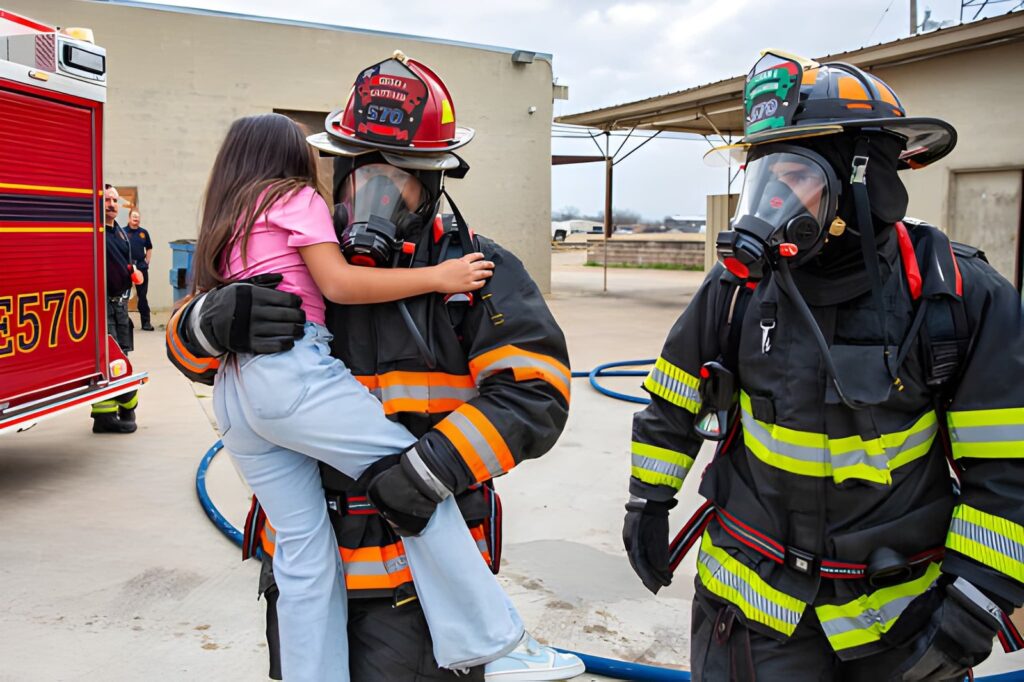
Children’s natural curiosity about fire is well documented, and it’s one of the more preventable categories of home fire hazards when parents and caregivers take a few consistent precautions.
Young children may be drawn to the flicker of a candle, the click of a lighter, or the strike of a match without understanding the danger involved. Risk increases when matches or lighters are left within reach, when children are unsupervised near cooking areas, or when they have access to candles or heating equipment. A lack of basic fire safety education not knowing what to do if they see fire or hear a smoke alarm can also turn a small incident into a more serious one.
How Parents Can Reduce the Risk
- Store matches and lighters in a secured location, out of sight and reach.
- Teach children early that fire is a tool, not a toy, using calm and age-appropriate language.
- Supervise children closely around stoves, ovens, candles, and heaters.
- Teach children to recognize the sound of a smoke alarm and know the appropriate response.
- Practice a family fire escape plan together, including a designated outdoor meeting point.
- Avoid dramatizing fire dangers in ways that could frighten children rather than inform them.
Other Home Fire Hazards
Beyond the major categories above, several other household elements can contribute to residential fire risk if overlooked.
- Flammable liquids and materials Paint thinners, gasoline, and aerosol cans should be stored away from heat sources and open flames, ideally in a garage or shed rather than near living spaces.
- Clothes dryers and lint Lint buildup in dryer vents restricts airflow and can ignite from the heat generated during drying cycles. Clean the lint trap after every load and have the vent duct cleaned periodically.
- Grills used too close to structures Charcoal and gas grills should be operated well away from siding, railings, and overhangs.
- Poorly maintained chimneys Creosote buildup is a leading contributor to chimney fires and warrants regular professional cleaning.
- Generators used incorrectly Portable generators should never be run indoors or in enclosed spaces, both for fire risk and carbon monoxide safety.
- Batteries and charging equipment Damaged lithium-ion batteries, particularly in phones, laptops, and e-bikes, can overheat. Avoid charging devices on soft surfaces like beds or couches, and don’t leave them charging unattended overnight.
- Improperly stored chemicals Household chemicals stored near heating equipment or in direct sunlight can become unstable.
- Appliances with damaged cords Toasters, irons, and other small appliances with worn cords should be repaired or replaced rather than continued in use.
How to Prevent House Fires
Reducing fire risk at home works best when it’s approached room by room and habit by habit. No single measure eliminates risk entirely, but consistent attention across these categories makes a meaningful difference.
Kitchen Safety Stay present while cooking, keep the stovetop area clear of clutter, and clean grease buildup regularly.
Electrical Safety Inspect cords and outlets periodically, avoid overloading circuits, and address warning signs promptly.
Heating Safety Maintain clearance around all heating equipment and schedule regular professional servicing.
Candle Safety Never leave open flames unattended, and keep them away from anything combustible.
Smoking Safety Smoke outdoors when possible, use proper ashtrays, and never smoke in bed.
Child Safety Keep ignition sources locked away and teach children fire safety basics early.
Appliance Safety Replace damaged cords, avoid leaving appliances running unattended, and follow manufacturer guidelines.
Storage Safety Keep flammable liquids and chemicals in ventilated areas away from heat sources.
Garage and Outdoor Safety Store fuel and chemicals properly, keep grills clear of structures, and maintain outdoor electrical equipment.
Home Fire Safety Checklist
Use this checklist periodically to review your home for common fire hazards.
Table: Home Fire Safety Checklist
| Category | Checklist Item |
|---|---|
| Fire Detection | Smoke alarms tested and functioning |
| Fire Detection | Batteries or power source checked |
| Fire Detection | Carbon monoxide alarms installed where appropriate |
| Kitchen | Cooking area free of clutter |
| Kitchen | Appliances clean and well maintained |
| Kitchen | Combustible items kept away from heat sources |
| Electrical | Cords inspected for damage |
| Electrical | Outlets and circuits not overloaded |
| Electrical | Warning signs (heat, smell, sparking) addressed promptly |
| Heating | Heating equipment inspected and maintained |
| Heating | Combustible materials kept clear of heaters |
| Heating | Vents and chimneys unobstructed |
| General | Candles monitored and never left unattended |
| General | Matches and lighters stored securely |
| General | Flammable materials stored properly |
| General | Emergency exits clear and accessible |
| General | Fire extinguisher available and accessible where appropriate |
Fire Prevention Mistakes Homeowners Should Avoid
- Leaving cooking unattended Even a brief absence gives a grease fire time to start and spread.
- Overloading electrical outlets Plugging too many devices into one outlet increases heat buildup and fire risk.
- Ignoring damaged cords A frayed or cracked cord is a direct fire hazard, not a cosmetic issue.
- Placing heaters too close to furniture Even a few inches of extra clearance can make a meaningful difference.
- Leaving candles burning unattended An open flame left alone, even briefly, removes any chance to react quickly.
- Storing flammable materials near heat Chemicals and fuels stored near furnaces or water heaters raise the risk of ignition.
- Allowing children access to matches or lighters Easy access significantly increases the chance of an unsupervised incident.
- Ignoring smoke alarm warnings Chirping or malfunctioning alarms should be addressed immediately, not muted or removed.
- Blocking exits Furniture or clutter blocking doors and windows can turn a manageable fire into a life-threatening situation.
- Using damaged appliances Continuing to use appliances with known electrical issues invites unnecessary risk.
How Often Should You Check for Fire Hazards at Home?
Fire prevention isn’t a one-time task it’s an ongoing habit. Some checks take seconds, while others are better scheduled as part of seasonal home maintenance. Because local regulations for smoke alarms, inspections, and fire equipment can vary, check your local requirements for anything not covered by general guidance below.
Table: Home Fire Safety Maintenance
| Safety Task | Suggested Frequency | What to Check |
|---|---|---|
| Smoke alarms | Monthly test; battery change as needed | Alarm sounds; battery status |
| Carbon monoxide alarms | Monthly test | Alarm function and placement |
| Electrical cords | Every few months | Fraying, cracking, exposed wire |
| Heating equipment | Annually, before heating season | Professional inspection and cleaning |
| Dryer/lint area | After every load; vent cleaned annually | Lint buildup, duct obstruction |
| Fire extinguishers | Annually | Pressure gauge, expiration date |
| Kitchen appliances | Periodically | Cord condition, grease buildup |
| Emergency exits | Regularly | Clear pathways, functioning locks |
| Garage/storage areas | Seasonally | Proper storage of chemicals and fuel |
What to Do If a House Fire Starts
If a fire does start and begins to spread, the priority shifts immediately from property to personal safety.
- Alert everyone in the household right away.
- Leave the home immediately using the safest available escape route.
- Stay low and avoid breathing in smoke as you move toward an exit.
- Once outside, call emergency services from a safe distance.
- Go to your family’s predetermined meeting point so everyone can be accounted for.
- Never go back inside for belongings, pets, or any other reason.
- Never re-enter a burning building, even if it seems like the fire has calmed down.
A family fire escape plan, practiced in advance, makes these steps far easier to follow under stress. Knowing two ways out of every room, and agreeing on a meeting spot outside, removes the need to make critical decisions in the moment.
FAQs About the Most Common Causes of House Fires
What is the most common cause of house fires? Cooking is consistently one of the leading causes of residential fires, largely due to unattended stovetops and grease-related incidents. Electrical problems and heating equipment also rank among the most frequent causes, particularly in colder months when heating use increases.
What are the most common causes of house fires? The most common causes include cooking accidents, electrical faults, heating equipment misuse, unattended candles, smoking materials, and children playing with fire. Flammable material storage and damaged appliances also contribute significantly.
What are the biggest home fire hazards? Unattended cooking, damaged electrical wiring, space heaters placed too close to combustibles, and open flames like candles are among the biggest hazards. Each becomes more dangerous when paired with clutter or a lack of supervision.
How can I prevent house fires? Focus on consistent habits: never leave cooking or candles unattended, inspect electrical cords regularly, maintain heating equipment, store flammable materials safely, and keep matches and lighters away from children.
How can electrical problems cause house fires? Damaged wiring, overloaded circuits, and faulty connections generate excess heat, which can ignite nearby insulation or combustible materials. Warning signs like warm outlets or flickering lights should never be ignored.
Are heating appliances a common fire hazard? Yes, especially portable space heaters and fireplaces. Placing heating equipment too close to furniture, bedding, or curtains is one of the most frequent contributing factors in heating-related fires.
How can I make my kitchen safer from fires? Stay in the kitchen while actively cooking, keep towels and packaging away from burners, clean grease buildup regularly, and turn off appliances as soon as you’re finished using them.
How can parents prevent children from starting fires? Store matches and lighters out of reach, supervise children around heat sources, and teach them early that fire is not a toy. Practicing a family fire escape plan also helps children understand what to do if a fire occurs.
Final Thoughts
Most residential fires trace back to a small set of familiar causes: cooking left unattended, electrical systems under strain, heating equipment placed too close to combustibles, candles left burning, smoking materials improperly handled, and children exploring fire out of curiosity. Understanding the most common cause of house fires and the everyday situations that lead to them puts homeowners in a much better position to prevent them.
None of these precautions guarantee that a fire will never happen, but consistent attention to cooking habits, electrical maintenance, heating equipment, and safe storage meaningfully reduces avoidable risk. Combine these habits with working smoke alarms and a practiced escape plan, and your household is far better prepared for the unexpected.
Make it a habit to walk through your home every few months with fresh eyes checking cords, clearances, and storage areas because fire prevention isn’t something you finish once. It’s something you maintain.