
Most home accidents don’t happen because people are careless. They happen because small hazards go unnoticed for months, sometimes years, until they finally cause a problem. A frayed cord, an outdated smoke alarm battery, a cabinet within a toddler’s reach none of these feel urgent until something goes wrong.
That’s exactly why house safety tips matter so much. A home doesn’t need to be expensive or high-tech to be safe. It needs regular attention, a bit of planning, and a willingness to fix small issues before they become big ones.
This guide walks through 25 practical house safety tips covering fire prevention, electrical safety, child safety, home security, and emergency preparedness. You’ll also find a home safety checklist, two reference tables, a suggested maintenance schedule, and answers to common questions homeowners ask. By the end, you should have a clear, realistic picture of what to check in your own home this week not someday.
Why House Safety Matters
A safe home protects two things at once: the people who live in it and the property itself. Most families think about security first locks, alarms, cameras. But house safety covers far more ground than that.
Fires remain one of the most serious risks inside any home, often starting in the kitchen or from faulty wiring. Electrical problems, from damaged cords to overloaded outlets, are a common but preventable cause of both fires and shocks. Gas leaks and carbon monoxide are harder to detect because they’re invisible, which is exactly why dedicated detectors matter so much.
Then there are the everyday hazards: slips and falls on wet floors or loose rugs, kitchen accidents involving knives or hot surfaces, and unsafe storage of cleaning chemicals or medicines within reach of children or pets.
Security vulnerabilities weak locks, poor lighting, an unsecured spare key create a different kind of risk, one that’s often overlooked until after a break-in. And emergencies, whether it’s a storm, a power outage, or a medical situation, test how prepared a household really is.
House safety, in other words, isn’t a single task. It’s an ongoing habit of noticing hazards, maintaining equipment, and having a plan before you need one.
25 Essential House Safety Tips
These 25 house safety tips are grouped loosely by area of the home, but many overlap. Together, they form a solid foundation for any home safety checklist.
1. Install and Maintain Smoke Alarms
Smoke alarms are the single most effective early-warning tool against house fires. Install one on every level of your home, inside each bedroom, and in hallways outside sleeping areas. Test them monthly by pressing the test button, and replace batteries at least once a year many people find it easier to do this on a fixed date they’ll remember. Smoke alarms themselves also wear out; most need full replacement every ten years.
2. Add Carbon Monoxide Detectors
Carbon monoxide is colorless and odorless, which makes it far more dangerous than smoke in some ways. It can build up from faulty furnaces, water heaters, or blocked chimneys. Install carbon monoxide detectors near sleeping areas and on every floor, and test them on the same schedule as your smoke alarms.
3. Keep Fire Extinguishers Accessible
A fire extinguisher in the kitchen, garage, and near any fireplace or wood stove gives you a fighting chance against a small fire before it spreads. Choose a multi-purpose extinguisher rated for common household fires, mount it somewhere easy to grab, and check the pressure gauge periodically to confirm it’s still charged.
4. Inspect Electrical Outlets and Wiring
Walk through your home occasionally and look at your outlets. Warm covers, scorch marks, buzzing sounds, or loose-fitting plugs are all warning signs. Older homes with outdated wiring are particularly worth having inspected, since wiring that hasn’t been updated in decades may not handle modern electrical loads safely.
5. Avoid Overloaded Outlets and Power Strips
Plugging too many devices into one outlet or daisy-chaining power strips is a common cause of electrical fires. Spread high-draw appliances like space heaters, microwaves, and air conditioners across different circuits, and avoid running power strips through walls or under rugs where overheating can go unnoticed.
6. Practice Safe Kitchen Habits
Cooking is one of the leading causes of house fires, most often because something was left unattended. Stay in the kitchen while frying or grilling, keep flammable items like towels and paper away from the stove, and turn pot handles inward so they can’t be knocked over. A simple habit setting a timer whenever you’re cooking prevents a lot of avoidable accidents.
7. Store Medicines and Chemicals Safely
Cleaning products, pesticides, and medications should be stored well out of reach of children and pets, ideally in a locked cabinet. Keep everything in its original container with the label intact, and never store chemicals next to food or drinks where they could be mistaken for something else.
8. Keep Floors and Walkways Clear
Clutter, loose cords, and uneven rugs are some of the most common causes of falls at home. Keep walkways clear, secure rugs with non-slip backing, and tuck away cords instead of running them across open floor space. This matters even more in homes with young children or older adults.
9. Improve Stair and Railing Safety
Loose railings and poor lighting on stairs are a recipe for falls. Check that handrails are firmly attached on both sides where possible, add non-slip treads if your stairs are smooth or worn, and make sure stairwells are well lit at both the top and bottom.
10. Make Bathrooms Safer
Bathrooms combine water, hard surfaces, and electrical outlets a risky mix. Use non-slip mats inside and outside the tub or shower, install grab bars if anyone in the household has mobility concerns, and make sure outlets near sinks have ground-fault protection to reduce shock risk.
11. Secure Windows and Doors
Door and window security is one of the simplest ways to reduce break-in risk. Use deadbolts on all exterior doors, check that window locks actually engage properly, and consider reinforcing sliding doors with a secondary lock or bar. Don’t overlook basement or garage entry points, which are often less secure than the front door.
12. Improve Outdoor Lighting
Well-lit entryways, driveways, and walkways discourage intruders and prevent trips and falls after dark. Motion-sensor lights near doors are an efficient option since they only activate when needed, drawing attention to anyone approaching the house.
13. Keep Your Garage and Storage Areas Organized
Garages tend to accumulate flammable liquids, tools, and clutter. Store fuel, paint, and solvents away from heat sources or open flames, keep pathways clear, and mount sharp tools securely so they can’t fall. An organized garage is also easier to inspect for hazards.
14. Keep Flammable Materials Away From Heat Sources
Curtains, bedding, paper, and furniture should be kept a safe distance from space heaters, fireplaces, candles, and stoves. This sounds obvious, but it’s one of the most frequently overlooked house safety tips, especially during colder months when heaters run for hours unattended.
15. Create Clear Emergency Exits
Every bedroom should have at least two ways out typically a door and a window. Make sure windows open easily, aren’t painted shut, and aren’t blocked by furniture or security bars without a quick-release mechanism. Walk through your home and imagine how you’d exit each room in an emergency.
16. Keep a First-Aid Kit Available
A basic first-aid kit should be stocked with bandages, antiseptic, gauze, tape, tweezers, and any essential medications your family needs. Keep it somewhere accessible, check expiration dates twice a year, and make sure everyone in the household knows where it’s kept.
17. Childproof Dangerous Areas
Childproofing isn’t a one-time task. Outlet covers, cabinet locks, corner guards, and stair gates address the basics, but as children grow, new hazards appear climbing on furniture, reaching countertops, or accessing rooms that were previously off-limits. Reassess your home’s layout every few months if you have young children.
18. Keep Emergency Contacts Easily Accessible
Post a list of emergency contacts including poison control, a nearby relative, and your family doctor somewhere visible, like on the fridge. For young children or caregivers, this removes the guesswork during a stressful moment.
19. Check Heating and Cooling Equipment
Furnaces, boilers, and air conditioning units should be serviced according to manufacturer recommendations, typically once a year. Replace air filters regularly, and never block vents or radiators with furniture, which can restrict airflow and create fire risk.
20. Maintain Gas Appliances Safely
Gas stoves, water heaters, and furnaces need regular inspection for leaks and proper ventilation. If you ever smell gas, don’t try to locate the source yourself leave the home immediately and call your gas provider or emergency services from outside.
21. Protect Valuable Belongings and Documents
Store important documents passports, insurance papers, property deeds in a fireproof, waterproof box or a safe deposit box. Keep digital backups of essential paperwork and photos of valuables, which can help with insurance claims if something is ever lost or damaged.
22. Use Security Cameras or Other Appropriate Security Equipment
Visible security cameras and video doorbells act as a strong deterrent and give you a record of activity around your home. Position cameras to cover entry points like front and back doors, and check that footage storage and app notifications actually work before relying on the system.
23. Be Careful About Spare Keys and Access
Hiding a spare key under a mat or planter is one of the first places an intruder will check. Instead, give a spare key to a trusted neighbor or family member, or use a coded lockbox. Also keep track of who has access to your home, especially after moving in or ending a rental agreement.
24. Prepare for Power Outages and Severe Weather
Keep flashlights, batteries, a battery-powered or hand-crank radio, and a backup charging option for phones somewhere easy to find. If severe weather is common in your area, know your evacuation routes and keep a small emergency kit in your car as well.
25. Review Your Home’s Safety Plan Regularly
A safety plan that hasn’t been reviewed in years often has gaps new appliances, a changed layout, or a growing family can all shift what “safe” looks like. Walk through your house safety checklist at least twice a year and update your plan as circumstances change.
Fire and Smoke Safety
Fire remains one of the most preventable yet serious risks in any home, which is why it deserves a closer look beyond the individual tips above.
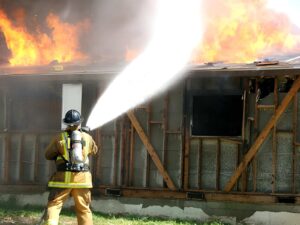
Smoke alarms and fire extinguishers form your first line of defense, but prevention matters just as much as response. Cooking fires are the most common type, usually caused by unattended stovetops or grease buildup. Candles left burning near curtains or bedding, and space heaters placed too close to furniture, are two other frequent causes.
Electrical fires often start quietly a warm outlet, a flickering light, an appliance that trips the breaker repeatedly. These are warning signs worth acting on immediately rather than waiting for something more obvious.
Every household should also think about escape routes. Know two ways out of every room where possible, agree on a meeting point outside, and actually practice a family fire drill once or twice a year. Children especially benefit from knowing what to do rather than hearing about it once and forgetting.
If a fire does occur, get everyone out first and call emergency services from a safe location. Never go back inside for belongings, and never use a water-based extinguisher on a grease or electrical fire.
Table 1: Fire Safety Quick Check
| Fire Safety Item | What to Check | Recommended Action |
|---|---|---|
| Smoke alarms | Test button response, battery age | Test monthly, replace battery yearly, replace unit every 10 years |
| Fire extinguisher | Pressure gauge, expiration date | Recharge or replace if gauge shows low pressure |
| Kitchen stove area | Grease buildup, nearby flammables | Clean regularly, keep towels and paper away from burners |
| Space heaters | Distance from furniture and bedding | Keep at least 3 feet of clear space around the unit |
| Candles | Placement near curtains or décor | Use holders on stable surfaces, never leave unattended |
| Electrical outlets | Warmth, discoloration, buzzing sounds | Stop use immediately and have an electrician inspect |
| Escape routes | Windows open freely, doors unblocked | Test that all exits are usable, clear obstructions |
| Dryer vents | Lint buildup | Clean lint trap after every load, vent duct annually |
Electrical Safety
Electrical hazards are easy to overlook because most of them don’t look dangerous at first glance. A slightly warm outlet or a cord with a small nick in the insulation rarely feels urgent until it is.
Damaged cords should be replaced, not taped over. Overloaded outlets and extension cords used as permanent wiring solutions are two of the most common issues found in homes. Power strips are fine for low-draw electronics, but they aren’t designed to handle appliances like space heaters or air conditioners.
Water and electricity are a dangerous combination, so outlets near sinks, bathtubs, and outdoor areas should have ground-fault circuit interrupter protection. Flickering lights, especially when isolated to one room, can point to a loose connection rather than just a bad bulb.
Discolored or warm outlet covers, along with breakers that trip frequently, are signs that something isn’t right behind the wall. These aren’t situations for DIY troubleshooting. If you notice any of these signs, or if your home still has older wiring types that haven’t been inspected in years, it’s time to contact a qualified electrician rather than guessing.
Child Safety
Children explore the world with their hands and mouths long before they understand danger, which means childproofing has to account for what’s within reach at every stage of growth.
Electrical outlets should be covered, and cords from blinds or electronics kept out of reach. Stairs need gates at both the top and bottom until children can navigate them safely. Windows should have guards or stops that prevent them from opening more than a few inches, especially on upper floors.
Cabinets containing cleaning products, medicines, or sharp objects should be locked, not just closed. Medicines in particular should be stored in child-resistant containers and kept well out of sight, since curious toddlers are drawn to colorful pills and bottles.
Hot surfaces stovetops, irons, curling tools need constant supervision around young children, as does anything involving standing water, including bathtubs and buckets. Small objects like coins, batteries, and toy parts pose choking risks and should be kept away from areas where infants and toddlers play.
One hazard that’s easy to miss is furniture tip-over risk. Bookshelves, dressers, and TVs should be anchored to the wall, since children climbing on furniture can pull heavy pieces over.
Safety needs change constantly as kids grow. What protects an infant looks very different from what protects a curious five-year-old, so it’s worth reassessing your home every few months rather than childproofing once and assuming it’s done.
Home Security and Protection
Good home security tips focus on layered protection making it harder for anyone to get in, and making your home a less appealing target in the first place.
Start with strong door locks, ideally deadbolts, on every exterior entry point. Window locks matter just as much, since ground-floor windows are common entry points. Exterior lighting, especially motion-activated lighting near doors and driveways, removes the cover of darkness that makes break-ins easier.
Security cameras and video doorbells add visibility and often act as a deterrent on their own. Alarm systems, whether monitored or self-managed, give an added layer of protection and can alert you or authorities quickly if triggered.
Garages are sometimes the weakest link in home security, since garage doors and interior doors connecting to the house aren’t always secured as carefully as the front door. Treat that connecting door the same way you’d treat any exterior entry point.
Spare keys deserve real thought. Avoid obvious hiding spots, and instead use a trusted contact or a coded lockbox. Valuables should be stored out of sight from windows, and safes should be anchored rather than freestanding.
It’s also worth being mindful about sharing travel plans publicly on social media before or during a trip, since this can signal an empty home. And overgrown landscaping near doors and windows can create hiding spots trimming it back removes one more advantage for anyone casing a property.
Emergency Preparedness
No home is fully safe without a plan for the unexpected. Emergency preparedness isn’t about assuming the worst will happen it’s about not being caught off guard if it does.
Keep a written or saved list of emergency contacts, including family members, your doctor, and utility providers. A stocked first-aid kit, flashlights, extra batteries, and a backup power source like a portable charger or generator cover the basics.
Having a few days’ worth of drinking water and basic non-perishable food on hand is a reasonable precaution, especially in areas prone to storms or power outages. Keep important documents in a waterproof, fireproof container, along with any emergency medications your household needs.
Phone chargers or power banks are easy to forget until you actually need them during an outage. Make sure emergency exits stay clear and usable at all times, and talk through a family communication plan where to meet, who to call, and what to do if household members are separated during an emergency.
Table 2: Home Emergency Kit Checklist
| Item | Why You Need It | Suggested Preparation |
|---|---|---|
| Flashlights and batteries | Provides light during power outages | Keep at least one per household member, check batteries twice a year |
| First-aid supplies | Treats minor injuries immediately | Restock after use, check expiration dates every 6 months |
| Drinking water | Sustains the household if supply is disrupted | Store at least a few days’ supply per person |
| Non-perishable food | Provides basic nutrition during emergencies | Rotate stock every few months to keep it fresh |
| Backup power bank | Keeps phones charged for communication | Fully charge and store in an accessible spot |
| Important documents | Needed for identification and insurance claims | Store copies in a fireproof, waterproof container |
| Emergency medications | Prevents gaps in essential treatment | Keep a small supply with clear labeling |
| Battery or hand-crank radio | Keeps you informed during outages | Test periodically, store extra batteries |
| Emergency contact list | Speeds up response during a crisis | Post visibly and save digitally |
| Basic tools | Useful for shutting off utilities if needed | Keep near the water and gas shutoff valves |
Home Safety Checklist
Use this house safety checklist as a quick reference when inspecting your home. Work through it a section at a time rather than all at once.
Fire Safety
- Smoke alarms tested and working on every level
- Fire extinguisher accessible and properly charged
- No flammable items near heaters, stoves, or candles
- Escape routes clear from every bedroom
Electrical Safety
- No damaged or exposed cords in use
- Outlets not overloaded with multiple high-draw devices
- Ground-fault protection near sinks and wet areas
- No warm, buzzing, or discolored outlets
Kitchen Safety
- Pot handles turned inward while cooking
- Nothing flammable stored near the stove
- Knives and sharp tools stored safely
- Fire extinguisher within reach
Bathroom Safety
- Non-slip mats in and around tubs or showers
- Grab bars installed where needed
- Outlets have ground-fault protection
- Medicines stored out of reach
Child Safety
- Outlet covers and cabinet locks in place
- Furniture anchored to prevent tip-over
- Stair gates installed at top and bottom
- Small objects kept away from young children
Security
- All exterior doors have working deadbolts
- Windows lock securely
- Outdoor areas well lit
- Spare keys stored safely, not hidden outside
Emergency Preparedness
- Emergency kit stocked and accessible
- Emergency contacts posted or saved
- Family communication plan discussed
- Important documents stored safely
How Often Should You Review House Safety?
House safety works best as a routine, not a one-time project. Some checks only take a minute and should happen monthly, while others need attention just once or twice a year.
Treat this as a general guide rather than a strict rule, since some tasks may vary depending on your appliances, climate, or local regulations. Where legal requirements exist such as mandatory smoke alarm placement check your local building codes, since these differ by region.
Table 3: Home Safety Maintenance Schedule
| Safety Task | Suggested Frequency | Why It Matters |
|---|---|---|
| Test smoke and carbon monoxide alarms | Monthly | Confirms alarms will work when actually needed |
| Check fire extinguisher pressure | Every 3 months | Ensures it’s ready to use in an emergency |
| Inspect cords and outlets for damage | Every 3 months | Catches early signs of electrical hazards |
| Clean dryer vent and lint trap | Every 6 months | Reduces a common cause of house fires |
| Replace smoke alarm batteries | Annually | Prevents alarms from failing due to dead batteries |
| Service heating and cooling systems | Annually | Keeps equipment safe and running efficiently |
| Review family fire and emergency plan | Every 6 months | Keeps everyone prepared as circumstances change |
| Restock first-aid and emergency kits | Every 6 months | Ensures supplies haven’t expired or been used up |
| Inspect gas appliances and connections | Annually | Reduces risk of leaks or malfunction |
Safety Tips for Homeowners: When to Call a Professional
Some home safety issues are simple enough to fix yourself. Others carry real risk if handled incorrectly, and that’s where a professional should step in.
Electrical faults flickering lights, tripped breakers, warm outlets should be diagnosed by a licensed electrician rather than guessed at. The same applies to gas appliance problems or any suspected gas leak, which should never be investigated by opening up equipment yourself. If you smell gas, leave the home and call your utility provider or emergency services from outside.
Structural problems, such as cracks in load-bearing walls or sagging floors, need a qualified inspector to assess whether the issue is cosmetic or serious. Roof and chimney issues, particularly anything involving venting or creosote buildup, carry both fire and structural risks that are easy to underestimate.
Fire protection systems, including built-in sprinklers or hardwired alarm systems, should be serviced by professionals familiar with local codes. In all of these cases, the cost of a professional visit is small compared to the risk of getting it wrong.
FAQs About House Safety Tips
What are the most important house safety tips? Working smoke and carbon monoxide alarms, secure door and window locks, safe storage of chemicals and medicines, and a clear emergency exit plan cover the most critical bases. From there, regular maintenance of electrical and gas systems keeps risks from building up unnoticed over time.
What should be included in a home safety checklist? A solid checklist covers fire safety, electrical safety, kitchen and bathroom hazards, child safety, security, and emergency preparedness. It should include specific, checkable items like testing alarms or checking cords rather than vague statements.
How can I make my house safer for children? Cover outlets, lock cabinets containing chemicals or medicines, anchor furniture, install stair gates, and keep small objects away from young children. Reassess your home every few months, since hazards change as kids grow and become more mobile.
What are the most common household safety hazards? Cooking fires, overloaded electrical outlets, slips on wet or cluttered floors, unsecured chemicals or medicines, and weak door or window locks are among the most frequent hazards found in homes.
How can I improve my home’s security? Install deadbolts on exterior doors, secure window locks, add motion-sensor lighting, and consider a video doorbell or security camera. Avoid hiding spare keys outside, and trim landscaping that blocks visibility near entrances.
How often should I check smoke alarms? Test smoke alarms monthly, replace batteries at least once a year, and replace the entire unit every ten years, since the sensors themselves lose sensitivity over time.
What should every home emergency kit contain? A basic kit should include flashlights, batteries, first-aid supplies, drinking water, non-perishable food, a backup power bank, important documents, and a list of emergency contacts.
When should I call a professional for a home safety problem? Call a professional for electrical faults, gas leaks or appliance issues, structural concerns, roof or chimney problems, and any fire protection system malfunction. These involve risks that go beyond typical DIY repairs.
Final Thoughts
Keeping a home safe doesn’t require expensive renovations or constant worry. It comes down to consistent habits: testing alarms, fixing small electrical issues before they grow, storing hazardous items properly, and knowing your escape routes before you ever need them.
The house safety tips in this guide are meant to be practical, not overwhelming. Start with the basics smoke alarms, secure locks, a stocked emergency kit and build from there as time allows. Revisit your home safety checklist every few months, since what worked last year may not cover new hazards, especially if your household has changed.
The homes that stay safest aren’t the ones with the most equipment. They’re the ones where someone actually checks that equipment works. Take an hour this week to walk through your own home with fresh eyes you may be surprised by what you notice.