
Your home should be the one place where you never have to worry. Yet every year, ordinary households deal with preventable fires, falls, electrical shocks, break-ins, and accidental poisonings often because a few small warning signs went unnoticed. Home safety isn’t about living in fear of what could go wrong. It’s about building simple habits and checks into your routine so your family can relax, knowing the risks have been handled.
This guide walks through the most common hazards found in houses and apartments, a practical home safety checklist you can use room by room, and specific advice for families with young children and for older adults. Whether you’re a new homeowner, a renter, or someone who’s lived in the same house for decades, there’s something here you can act on today.
What Is Home Safety and Why Does It Matter?
Home safety refers to the practices, equipment, and habits that reduce the risk of injury, illness, fire, or property loss inside and around your home. It covers everything from working smoke alarms and secure locks to safe storage of cleaning products and clear walking paths for elderly relatives.
Most home accidents aren’t caused by rare, dramatic events. They’re the result of small, everyday oversights a loose stair rail, an overloaded power strip, a door left unlocked, medicine left within a toddler’s reach. Individually, these seem minor. Together, they add up to real risk.
Taking home safety seriously matters because:
- Prevention is far easier than recovery. A ten-dollar smoke alarm battery is a lot cheaper than a house fire.
- Children and older adults face higher risks. Their bodies are more vulnerable to falls, burns, and poisoning, and they often can’t respond to emergencies as quickly.
- Many hazards are invisible until it’s too late. Gas leaks and carbon monoxide have no smell or color on their own, which is exactly why detectors matter so much.
- A safer home is a calmer home. When you know your basics are covered, everyday life feels less stressful.
Common Home Safety Hazards
Before you can fix a problem, it helps to know what you’re looking for. Here are the hazards that show up most often in homes of every size and age.
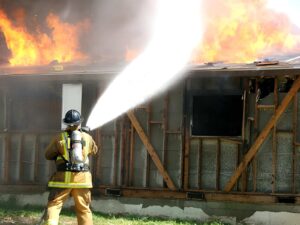
Fire hazards. Unattended cooking, overloaded outlets, old wiring, candles left burning, and dryer lint buildup are leading causes of house fires. Space heaters placed too close to curtains or furniture are another frequent culprit.
Electrical hazards. Frayed cords, cracked outlets, water near electrical appliances, and DIY wiring work done without proper knowledge can lead to shocks or fires. Older homes are especially prone to outdated wiring that wasn’t built for modern appliance loads.
Gas and carbon monoxide risks. Gas leaks from stoves, water heaters, or furnaces can lead to fires or explosions. Carbon monoxide, a byproduct of incomplete combustion, is colorless and odorless, making detectors essential rather than optional.
Slips, trips, and falls. Loose rugs, cluttered walkways, wet floors, and poorly lit stairways are among the most common causes of household injury, particularly for young children and older adults.
Kitchen accidents. Hot stovetops, sharp knives, boiling liquids, and grease fires make the kitchen one of the highest-risk rooms in any home.
Bathroom hazards. Wet, slippery floors, scalding water temperatures, and a lack of grab bars contribute to a large share of household falls.
Child safety risks. Unsecured furniture, small objects that pose choking hazards, unlocked cabinets, and accessible stairs are common dangers for young children exploring their environment.
Medication and chemical hazards. Cleaning products, medications, and pesticides stored within easy reach can lead to accidental poisoning, especially in homes with small children or pets.
Security risks. Weak locks, unlit entry points, and visible signs that no one is home (like packages piling up) can make a house an easier target for burglary.
Outdoor and garage hazards. Uneven walkways, poorly stored tools, exposed power equipment, and unlocked garages all present risks that are easy to overlook because they’re outside the main living space.
Home Safety Checklist: Essential Things to Check
Use this home safety checklist as a starting point for a walkthrough of your house. Go room by room and be honest about what needs attention.
| Safety Area | What to Check | Recommended Action |
|---|---|---|
| Smoke alarms | Presence in every bedroom, hallway, and level of the home; test button response | Test monthly; replace batteries twice a year; replace units every 10 years |
| Carbon monoxide detectors | Installed near sleeping areas and fuel-burning appliances | Test monthly; replace unit every 5–7 years or as manufacturer recommends |
| Fire extinguishers | Accessible location in kitchen and garage; pressure gauge reading | Check pressure gauge monthly; replace or service per manufacturer guidance |
| Electrical outlets and wiring | Cracks, scorch marks, loose-fitting plugs, overloaded strips | Have a licensed electrician inspect and repair as needed |
| Doors and windows | Secure frames, functioning locks, no gaps or rot | Repair damaged frames; ensure locks engage fully |
| Locks | Deadbolts on all exterior doors, window latches functional | Upgrade to deadbolts; rekey after moving into a new home |
| Stairways | Handrails secure, adequate lighting, no loose carpeting | Tighten railings; add non-slip treads; improve lighting |
| Emergency exits | Clear paths, windows that open easily in bedrooms | Remove clutter; confirm every household member knows two ways out |
| Gas appliances | Odor of gas, pilot light behavior, connection hoses | Contact a qualified technician immediately if you smell gas |
| Kitchen appliances | Frayed cords, appliance auto shut-off function | Replace damaged cords; unplug appliances not in daily use |
| Bathroom floors | Slip resistance, presence of bath mats, grab bars | Add non-slip mats; install grab bars near tub and toilet |
| Medicines and chemicals | Storage location and accessibility to children | Store in locked or high cabinets, in original containers |
| Outdoor lighting | Coverage at entry points, driveway, and walkways | Install motion-sensor lights at all entrances |
| Garage | Door lock function, tool and chemical storage | Keep garage doors locked; store hazardous items on high shelves |
| First-aid kit | Stocked, unexpired, easy to locate | Restock quarterly; keep one kit indoors and one in the car |
Print this table or save it to your phone, and try to work through it at least twice a year many families do this at daylight saving time changes, since it’s an easy date to remember.
Home Safety Measures Every Household Should Follow
Beyond the checklist, certain home safety measures are worth building into your routine permanently.
Fire Prevention
Never leave cooking unattended, especially when frying or grilling. Keep flammable items like towels and curtains away from stovetops and heaters, and avoid overloading extension cords or power strips.
Electrical Safety
Don’t run cords under rugs or furniture, where damage can go unnoticed. If you notice flickering lights, warm outlets, or a persistent burning smell, treat it as urgent and call a licensed electrician rather than attempting a fix yourself.
Gas Safety
Have gas appliances serviced annually by a qualified technician. If you ever smell gas, leave the house immediately, avoid using switches or phones inside, and call your gas provider or emergency services from outside.
Carbon Monoxide Protection
Install detectors on every level of the home, particularly near bedrooms. Never run a generator, grill, or car engine in an enclosed space like a garage, even with the door partially open.
Fall Prevention
Secure loose rugs with non-slip backing, keep walkways clear, and improve lighting in stairwells and hallways. Wipe up spills immediately, especially in kitchens and bathrooms.
Safe Storage
Store cleaning chemicals, medications, and sharp tools well out of reach of children, ideally in locked cabinets. Keep chemicals in their original, labeled containers so they’re never mistaken for something else.
Kitchen Safety
Turn pot handles inward so they can’t be knocked over, keep a lid nearby to smother small grease fires, and never use water on a grease fire. Keep a fire extinguisher within reach but not directly next to the stove.
Bathroom Safety
Set your water heater to a safe temperature to prevent scalding, generally no higher than 120°F (49°C). Use non-slip mats both inside and outside the tub or shower.
Childproofing
Install outlet covers, cabinet latches, and stair gates before your child becomes mobile rather than after. Anchor heavy furniture and TVs to the wall to prevent tip-over accidents.
Emergency Preparedness
Create and practice a fire escape plan with two ways out of every room. Make sure every family member, including children old enough to understand, knows how to call for emergency help.

Home Security Tips to Protect Your Property
Good home safety also means protecting your property from intrusion. These home security tips focus on practical, responsible steps rather than anything invasive or excessive.
- Upgrade to strong door and window locks. Deadbolts are significantly more secure than standard spring latches.
- Add exterior lighting. Motion-sensor lights at entry points discourage anyone from lingering near your doors or windows after dark.
- Consider security cameras. Visible cameras at entrances are a strong deterrent and can help document any incidents.
- Install a video doorbell. These let you see and speak with visitors without opening the door, which is especially useful when you’re away.
- Use a monitored or self-monitored alarm system. Even a basic system that sends alerts to your phone adds a meaningful layer of protection.
- Switch to smart locks where practical. These allow you to grant temporary access to guests or service providers without handing out physical keys.
- Avoid obvious signs that nobody is home. Use timers on lights, ask a neighbor to collect mail, and avoid announcing travel plans publicly on social media.
- Never hide spare keys in predictable spots. Under the mat or in a fake rock are the first places an intruder will check. A lockbox with a code, or leaving a key with a trusted neighbor, is safer.
- Secure garages and side entrances. These are often less protected than the front door but provide direct access to the home.
- Maintain privacy online. Be cautious about sharing your home address, daily schedule, or vacation dates publicly.
House Safety Tips for Families With Children
Children explore the world with their hands and mouths, which means ordinary household items can become hazards. These house safety tips are worth prioritizing as soon as a child starts crawling.
- Install stair gates at the top and bottom of staircases until children can navigate them safely on their own.
- Cover electrical outlets with childproof covers throughout the home.
- Add window locks or stops to prevent windows from opening wide enough for a child to fall through.
- Store medicines and cleaning products in locked cabinets, well above a child’s reach.
- Guard hot surfaces, including stovetops, irons, and space heaters, with barriers where possible.
- Manage kitchen hazards by keeping knives, hot liquids, and small appliances away from counter edges.
- Watch for small objects like coins, batteries, and toy parts that pose choking risks for children under three.
- Supervise around water at all times, including bathtubs, pools, and even buckets, since young children can drown in very shallow water.
Household Safety Tips for Older Adults
Falls are one of the leading causes of injury among older adults, but many of the risk factors are straightforward to address.
- Improve lighting throughout the home, particularly in hallways, staircases, and entryways.
- Install grab bars near the toilet and inside the shower or tub.
- Use non-slip surfaces in bathrooms and on any hard flooring that becomes slippery when wet.
- Keep walking paths clear of clutter, loose cords, and low furniture that’s easy to trip over.
- Secure stairways with sturdy handrails on both sides where possible.
- Set up a way to call for help, such as a medical alert device or a phone kept within easy reach at all times, particularly for those living alone.
How Often Should You Check Home Safety Equipment?
Consistency matters more than intensity when it comes to home safety measures. Here’s a simple schedule to follow.
| Safety Item | How Often to Check | Why It Matters |
|---|---|---|
| Smoke alarms | Test monthly; replace battery twice a year | Alarms lose reliability over time and dead batteries go unnoticed |
| Carbon monoxide detectors | Test monthly | CO is undetectable without a working alarm |
| Fire extinguishers | Check gauge monthly | Pressure can drop without visible signs of damage |
| Electrical systems | Professional inspection every few years, or sooner in older homes | Wear and outdated wiring increase fire risk over time |
| Emergency kits | Review contents every 6 months | Food, water, and medications can expire |
| Locks | Inspect every few months | Wear and weather can weaken locking mechanisms |
| Security cameras | Check function and storage monthly | Ensures footage is actually being captured when needed |
What to Keep in a Home Emergency Kit
Every household should have an emergency kit ready to go, stored somewhere accessible to all family members. At minimum, include:
- First-aid supplies (bandages, antiseptic, gauze, adhesive tape)
- A flashlight with extra batteries
- Drinking water, ideally enough for several days
- Basic non-perishable food
- A list of important contact information, including doctors and family members
- Any necessary prescription medications
- A phone charger or portable power bank
- Copies of important documents (identification, insurance, medical records) in a waterproof bag
Check the kit every six months, replacing expired food, medication, and batteries as needed.
Simple Home Safety Improvements You Can Make Today
Not every improvement requires a contractor or a big budget. Here are a few you can knock out this week:
- Test every smoke alarm and carbon monoxide detector in the house.
- Move cleaning products and medications to a high or locked cabinet.
- Add non-slip mats to your bathroom and shower.
- Unplug and inspect any appliance with a cord that looks worn or frayed.
- Walk your home’s perimeter after dark to check which areas need better lighting.
- Clear clutter from stairways and hallways.
- Confirm your fire extinguisher’s gauge is in the green zone.
- Talk through your family’s fire escape plan together.
Final Home Safety Checklist
Before you finish reading, run through this quick summary and note anything you still need to address:
- Smoke alarms tested and batteries fresh
- Carbon monoxide detectors installed and working
- Fire extinguisher charged and accessible
- Electrical cords and outlets inspected
- Doors and windows locked securely
- Stairways well-lit with secure handrails
- Medicines and chemicals stored out of reach
- Outdoor lighting installed at entry points
- Emergency kit stocked and up to date
- Family fire escape plan discussed and practiced
Frequently Asked Questions
What are the most important home safety measures? Working smoke and carbon monoxide alarms, secure locks on doors and windows, safe storage of chemicals and medications, and a practiced fire escape plan form the foundation of home safety. These basics address the risks most likely to affect any household.
How can I make my home safer? Start with a walkthrough of your home using a checklist to spot hazards like loose rugs, exposed cords, or unlocked cabinets. Address the highest-risk items first, such as non-functioning smoke alarms or weak exterior locks, then work through smaller improvements over time.
What should be included in a home safety checklist? A good home safety checklist covers fire and carbon monoxide detection, secure doors and windows, electrical safety, safe storage of hazardous items, clear emergency exits, and a stocked first-aid kit. Reviewing it twice a year helps catch new issues before they become serious.
How often should smoke alarms be checked? Test smoke alarms monthly, replace the batteries at least twice a year, and replace the entire unit every ten years or as recommended by the manufacturer. Alarms lose sensitivity over time, so age matters even if the unit still appears to work.
What are the most common household safety hazards? The most common hazards include unattended cooking, faulty wiring, slippery floors, poorly stored medications or chemicals, and inadequate lighting on stairways. Many of these are easy to prevent once you know to look for them.
How can I improve home security? Focus on strong deadbolt locks, exterior lighting, visible security cameras, and a video doorbell. Avoiding obvious signs of an empty house, such as uncollected mail or predictable spare-key hiding spots, also reduces the risk of break-ins.
What should every home emergency kit contain? At a minimum, include first-aid supplies, a flashlight with extra batteries, drinking water, non-perishable food, a phone charger, copies of important documents, and any necessary medications. Review and refresh the kit every six months.
Conclusion
Home safety isn’t a one-time project it’s an ongoing habit built from small, consistent actions. A working smoke alarm, a locked medicine cabinet, a well-lit walkway, and a practiced escape plan won’t guarantee that nothing ever goes wrong, but they meaningfully reduce the risks your family faces every day. For anything involving electrical wiring, gas lines, or structural repairs, always bring in a licensed professional rather than tackling it yourself.
Start with the checklist in this guide, work through it room by room, and revisit it a couple of times a year. Over time, these habits become second nature and that’s exactly what makes a house feel like a genuinely safe home.