
Keeping our living spaces secure is an evolving challenge. As we navigate the year 2026, technology and smart home integration have completely transformed how we protect our families. If you are looking to audit your property, you need a comprehensive Home Safety Checklist: Best Ways to Make Your House Safe in 2026.
Below, we break down the most critical questions homeowners are asking this year, providing clear, actionable insights to secure your space.
What are the essential smart tech upgrades for a modern home?
The foundation of any modern home security plan begins with upgrading your perimeter defense. Traditional deadbolts and basic cameras are no longer enough to keep up with current security demands.
AI-Powered Security Cameras: Modern cameras now feature local AI processing that can differentiate between a package delivery, a neighbor’s pet, and a genuine intruder, drastically reducing false alarms.
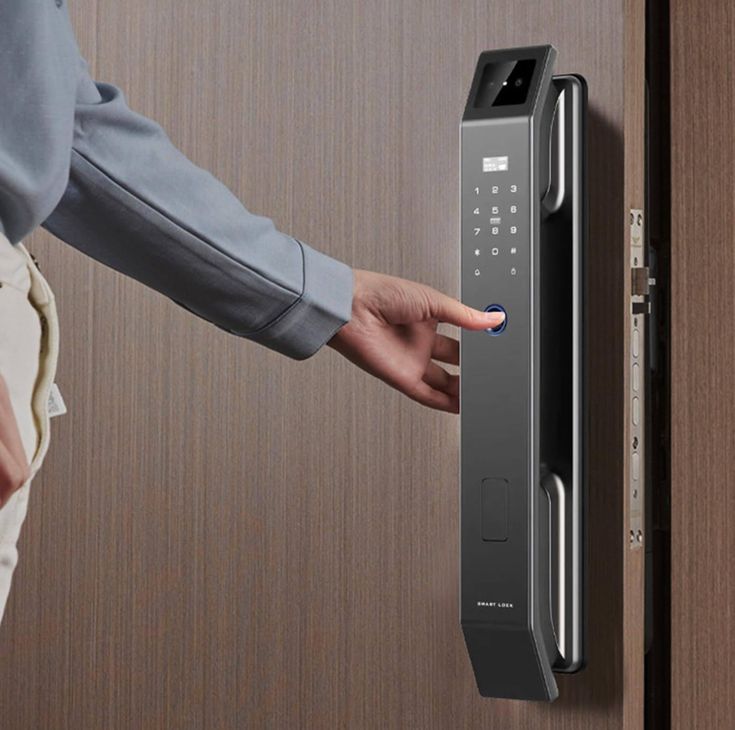
Biometric Smart Locks: Forget hiding a spare key under the doormat. Utilize facial recognition or fingerprint scanning to grant access to trusted individuals.
Automated Lighting Ecosystems: Set your interior and exterior lights to “away mode,” which uses randomized patterns to mimic real human activity when you are traveling.
How do I prevent fire and carbon monoxide hazards effectively?
Fire prevention remains a cornerstone of a reliable Home Safety Checklist: Best Ways to Make Your House Safe in 2026. A single standalone smoke alarm is a relic of the past; modern systems must work together to provide early warnings.
Interconnected Mesh Alarms: If a fire starts in the basement, every alarm in the house should sound simultaneously. Ensure your detectors are hardwired or linked wirelessly.
Smart Gas Shut-off Valves: If a carbon monoxide or natural gas leak is detected, smart valves can automatically shut off the main gas line to prevent explosions or poisoning.
Stove Sensors: Install automatic shut-off devices on electric and gas stoves that cut power if a burner is left unattended for too long.
What steps should I take to eliminate physical slip, trip, and fall risks?
Physical safety is just as important as security. To ensure a thorough Home Safety Checklist: Best Ways to Make Your House Safe in 2026, look closely at your flooring, layout, and walkways to prevent everyday accidents.
Motion-Activated Path Lighting: Install low-profile LED strips along baseboards in hallways and staircases that illuminate automatically at night.
Secure Rugs and Mats: Use heavy-duty double-sided grip tape under all area rugs to eliminate curling edges.
Bathroom Reinforcements: Apply non-slip micro-texture coatings to tubs and shower floors, and ensure stylish, load-bearing grab bars are installed in high-moisture zones.
How can I protect my household from digital and cyber threats?
Because our homes are more connected than ever, cybersecurity is now a mandatory part of a Home Safety Checklist: Best Ways to Make Your House Safe in 2026. Hackers can target smart appliances to gain access to your private data or local network.
Segment Your Wi-Fi: Create a separate “Guest” or “IoT” (Internet of Things) network dedicated strictly to your smart TVs, cameras, and appliances. Keep your main network exclusive to laptops and phones.
Enable WPA3 Encryption: Ensure your home router is utilizing the latest encryption standards.
Disable Default Credentials: New devices come with standard factory passwords. Always update these to unique, complex passwords immediately during setup.
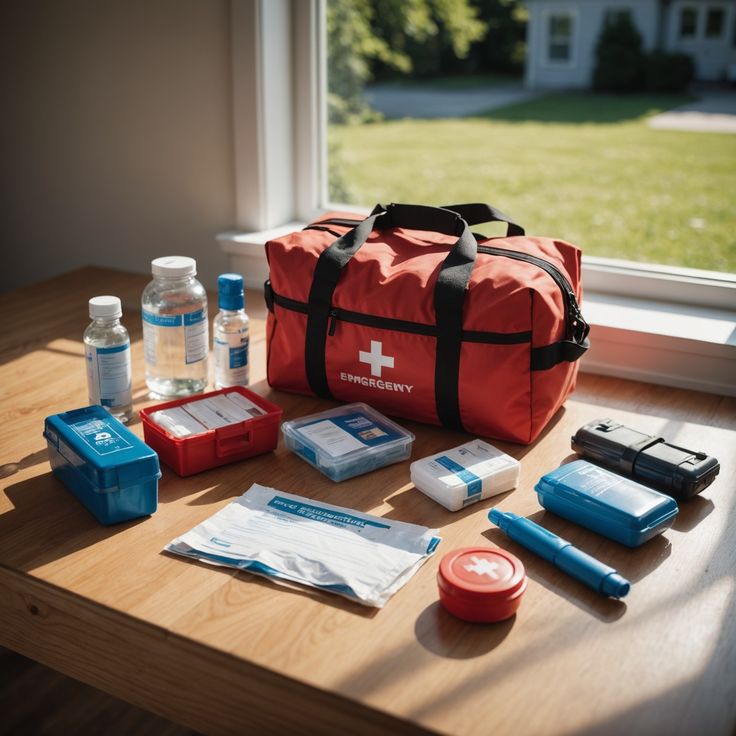
What should be included in an emergency preparedness kit?
When severe weather or unexpected blackouts strike, your physical structure needs a backup plan. No disaster readiness strategy is truly complete without a solid plan for self-sufficiency.
| Emergency Item | Description / Purpose |
| Home Battery Backup | A solar-powered or lithium-ion generator to keep refrigerators and medical devices running. |
| 72-Hour Survival Kit | 1 gallon of water per person per day, non-perishable food, and a manual can opener. |
| Digital Document Backup | An encrypted thumb drive containing copies of passports, deeds, and insurance policies. |
| Smart First-Aid Kit | A medical kit equipped with a quick-reference digital guide for treating trauma or burns. |
Conclusion
Creating a secure living environment requires a blend of modern technology, digital hygiene, and physical awareness. By addressing everything from AI security cameras to cyber network segmentation, you can drastically reduce the risks of accidents and break-ins. Implementing this Home Safety Checklist: Best Ways to Make Your House Safe in 2026 will give you the ultimate peace of mind, knowing your sanctuary is fully protected against the threats of today and tomorrow.