In London — a city defined by historic townhouses, converted warehouses, listed buildings, and modern high-rise developments — fire safety is both a legal duty and a moral responsibility.
A Fire Risk Assessment (FRA) is one of the most important tools available to property owners and managers to protect lives, safeguard assets, and remain compliant with UK law.
What Is a Fire Risk Assessment?
A Fire Risk Assessment is a structured review of a property to:
Identify potential fire hazards
Evaluate the likelihood of a fire starting
Assess the risk to occupants
Review existing fire safety measures
Recommend improvements
In a densely populated city like London, every property — from small HMOs to large commercial towers — presents unique fire risks that must be assessed individually.
Legal Requirements in London
Fire safety in England and Wales is primarily governed by the Regulatory Reform (Fire Safety) Order 2005.
Under this law:
A “responsible person” (usually the landlord, freeholder, employer, or managing agent) must carry out a fire risk assessment.
The assessment must be regularly reviewed.
Action must be taken to reduce identified risks.
Fire safety equipment must be maintained.
Further reforms introduced through the Fire Safety Act 2021 and the Building Safety Act 2022 strengthened requirements, particularly for multi-occupancy residential buildings and higher-risk structures.
Failure to comply can lead to:
Unlimited fines
Enforcement notices
Prosecution
Imprisonment in severe cases
Why Fire Risk Assessments Matter in London
🏙 1. Diverse Architecture
London’s property landscape includes:
Georgian terraces
Victorian conversions
Post-war estates
Modern glass towers
Older buildings may lack modern compartmentation or detection systems, while newer high-rises require complex evacuation strategies. An FRA ensures fire safety measures are appropriate for each building type.
👥 2. High Population Density
With millions of residents and workers, even a small fire incident can have significant consequences. Fire risk assessments help:
Prevent ignition sources
Maintain safe evacuation routes
Ensure alarms and emergency lighting function correctly
🔐 3. Protecting Lives and Assets
The primary purpose of an FRA is life safety. Identifying risks such as:
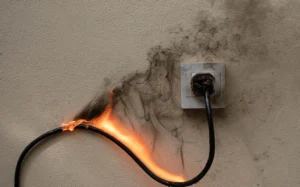
Faulty electrics
Blocked corridors
Damaged fire doors
Inadequate alarm coverage
can prevent tragedy.
Beyond life safety, assessments also:
Reduce property damage
Protect rental income
Minimise business disruption
Support insurance compliance
💼 4. Business Continuity for Commercial Properties
For offices, retail units, and mixed-use developments, fire can halt operations instantly. A proper FRA ensures:
Clear evacuation procedures
Staff fire safety training
Maintained extinguishers and alarms
Emergency response planning
This preparation reduces downtime and reputational damage.
Key Areas Covered in a Fire Risk Assessment
A London-based fire risk assessment typically examines:
🧱 Building Layout & Construction
Compartmentation between units
Fire-resistant materials
Escape routes and stairwells
Emergency lighting
Older or listed buildings may require specialist solutions to balance heritage preservation with fire safety compliance.
🚨 Fire Detection & Protection Systems
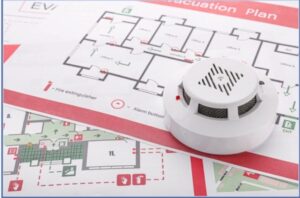
Smoke and heat alarms
Fire alarm panels
Sprinkler systems
Fire extinguishers
Fire doors and self-closers
Regular inspection and maintenance are essential.
👨👩👧 Occupant Awareness
Fire action notices
Evacuation plans
Fire drills (commercial settings)
Clear signage in communal areas
Even the best safety systems are ineffective if occupants do not understand how to respond during an emergency.
A Proactive Approach to Fire Safety
Fire risk assessments are not a one-time formality. They should be:
Reviewed annually (best practice)
Updated after renovations
Reassessed following changes in occupancy
Revisited after any fire incident
In a city as complex as London, proactive fire safety management is essential — not optional.
Conclusion
Fire Risk Assessments are a cornerstone of responsible property management in London. They help property owners:
Meet legal obligations
Protect residents and employees
Reduce financial risk
Maintain safe, compliant buildings
With the city’s mix of historic properties and modern high-rises, a tailored and regularly reviewed FRA is vital. Investing in professional fire risk assessments demonstrates not only compliance with UK legislation but a genuine commitment to safety and community wellbeing.