Fire safety is a critical responsibility in any residential property — but it becomes significantly more complex in multi-occupancy buildings such as blocks of flats and apartment complexes. With multiple households living in close proximity, the potential for fire to spread quickly is much greater.
A thorough Fire Risk Assessment (FRA) is therefore essential to protect residents, property, and ensure legal compliance.
Understanding the Risks in Multi-Occupancy Buildings
Flats and apartment buildings present unique fire safety challenges:
1️⃣ High Occupant Density
More residents mean:
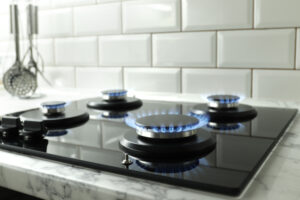
Increased ignition risks (cooking, electrics, heating appliances)
More people needing safe evacuation
2️⃣ Complex Layouts
Shared corridors, stairwells, lifts, and communal areas can:
Act as fire and smoke pathways
Complicate evacuation procedures
3️⃣ Varying Building Standards
Older buildings may not meet modern fire safety requirements under the Regulatory Reform (Fire Safety) Order 2005, while newer developments must comply with updated building regulations.
Why Fire Risk Assessments Are Essential
A Fire Risk Assessment is a structured evaluation of:
Potential fire hazards
The likelihood of ignition and spread
The effectiveness of existing fire safety measures
Required improvements
Under the Regulatory Reform (Fire Safety) Order 2005, responsible persons (typically landlords, managing agents, or freeholders) are legally required to carry out and regularly review FRAs for communal areas in blocks of flats.
How a Fire Risk Assessment Is Conducted
A professional FRA typically involves:
🔎 1. Identifying Fire Hazards
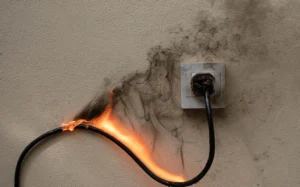
Faulty wiring
Overloaded circuits
Combustible materials
Poor storage in communal areas
🧱 2. Assessing Fire Spread
Compartmentation between flats
Fire doors and seals
Structural fire resistance
🚨 3. Evaluating Safety Systems
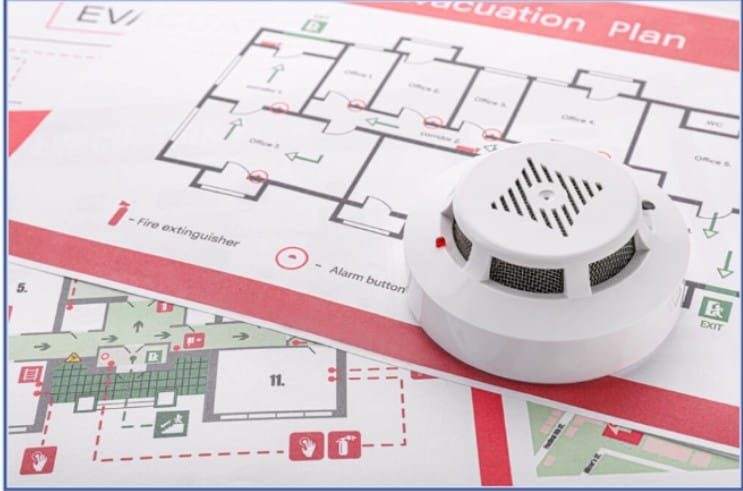
Smoke detection and alarm systems
Emergency lighting
Fire extinguishers
Signage and escape routes
📝 4. Recording Findings
A written report outlining:
Risks identified
Required remedial actions
Timeframes for compliance
🔁 5. Ongoing Review
Assessments must be reviewed:
Annually (recommended best practice)
After major building works
After any fire incident
Essential Fire Safety Measures for Flats
To minimise risk, building managers should implement:
🔔 Fire Detection & Alarm Systems
Interlinked smoke alarms and fire panels covering communal areas.
🧯 Firefighting Equipment
Accessible extinguishers and fire blankets in communal spaces.
🚪 Compartmentation
Properly fitted fire doors and fire-resistant walls between flats and corridors to prevent fire spread.
💡 Emergency Lighting
Illuminated escape routes during power failure.
🏃 Clear Escape Routes
Corridors and stairwells must remain free of obstructions.
🔧 Electrical Safety Checks
Regular inspections such as an EICR (Electrical Installation Condition Report) to reduce electrical fire risks.
Legal and Regulatory Compliance
In England and Wales, landlords and managing agents must comply with:
Regulatory Reform (Fire Safety) Order 2005
Fire Safety Act 2021
Building Safety Act 2022
Failure to comply can result in:
Heavy fines
Prosecution
Enforcement notices
Invalidated insurance
Common Challenges — and Solutions
🚧 Challenge: Resident Behaviour
Obstructed hallways, unsafe storage, or misuse of fire doors.
Solution: Regular communication, signage, and periodic inspections.
💷 Challenge: Budget Constraints
Fire upgrades can be costly.
Solution: Treat fire safety as a non-negotiable operational priority and plan long-term investment.
🏢 Challenge: Older Buildings
May lack adequate compartmentation or modern alarms.
Solution: Commission professional surveys and phased improvement plans.
Conclusion
Protecting multi-occupancy buildings from fire risks requires a proactive and structured approach. A comprehensive Fire Risk Assessment identifies hazards, strengthens safety measures, and ensures compliance with legal obligations.
By prioritising fire safety through regular assessments, proper maintenance, and resident awareness, landlords and building managers can:
Protect lives
Safeguard property
Reduce liability
Maintain peace of mind