Electrical emergencies can be sudden, dangerous, and even life-threatening. Being prepared and knowing how to respond quickly can protect your home, family, and yourself.
1. Understand Electrical Emergencies
Electrical emergencies include:
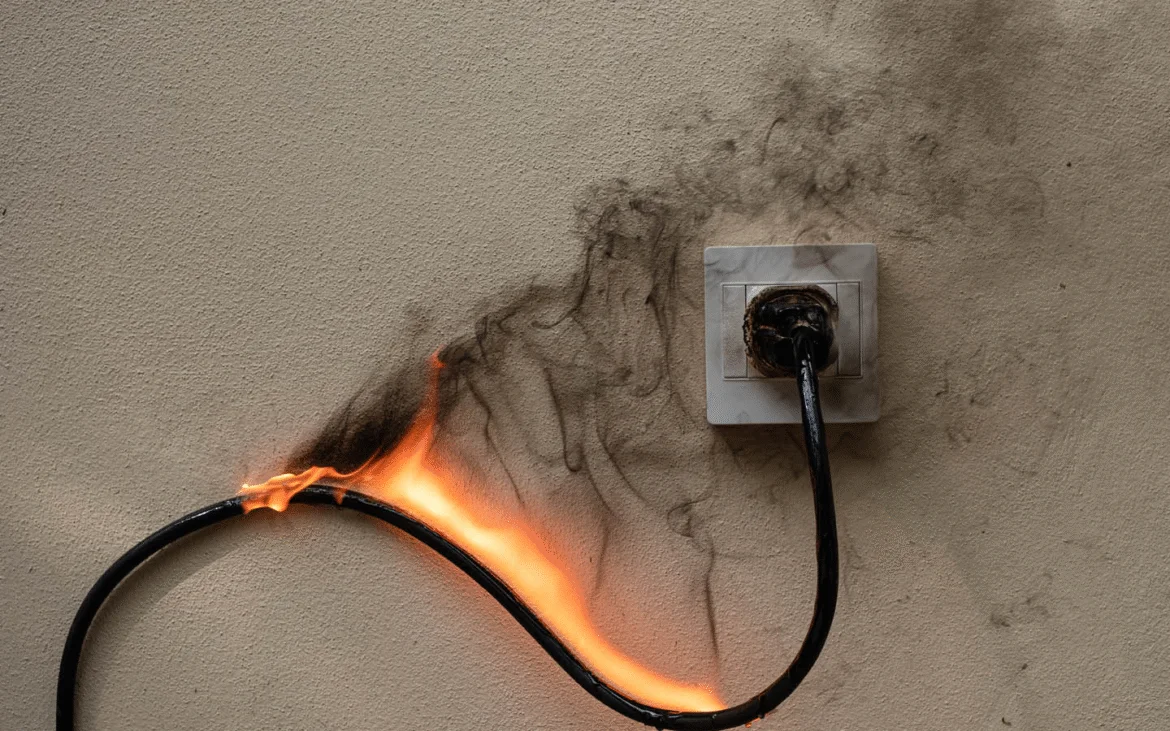
Sparking or smoking outlets
Power outages
Electrical fires
Electric shocks
Recognizing warning signs early can prevent severe incidents.
Common Warning Signs
Flickering lights
Hot outlets
Buzzing switches
Burning smells near outlets or panels
If any signs appear, call a qualified electrician before they escalate.
2. Power Outages
Check the scope: Is it your home only or the whole neighborhood?
Reset safely: Inspect the fuse box or circuit breaker. Only reset switches if safe.
Storm precautions: Use flashlights, unplug electronics, and avoid candles.
3. Sparking or Smoking Outlets
Turn off power at the main circuit breaker immediately.
Do not touch the outlet or device.
Call a certified electrician to inspect and repair.
Avoid using the outlet until cleared by a professional.
4. Electrical Fires
Cut the power at the main breaker if safe.
Never use water—use a Class C fire extinguisher.
If the fire spreads, evacuate immediately and call the fire department.
5. Electric Shock
Do not touch the person still in contact with electricity.
Turn off the power or unplug the source if safe.
Call emergency services immediately.
If necessary, perform CPR until help arrives.
6. Prevent Future Emergencies
Schedule regular inspections by qualified electricians.
Upgrade old wiring if necessary.
Avoid overloading outlets and power strips.
Use undamaged, certified cords and appliances.
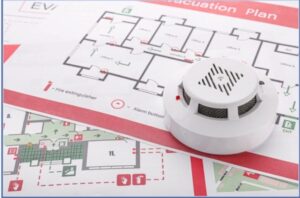
Install smoke alarms near electrical panels and bedrooms.
7. Know When to Call a Professional
Never attempt complex electrical repairs yourself.
Call a licensed electrician for flickering lights, tripped breakers, or unusual smells.
Certified electricians ensure safe repairs and compliance with regulations like an EICR Certificate.
8. Create an Emergency Plan
Teach everyone in your home how to shut off the main power.
Keep emergency numbers for electricians and the fire department accessible.
Educate children to avoid outlets, cords, and panels.
Practice scenarios like power outages, electrical fires, or shocks.
✅ Key Takeaways
Stay calm and act quickly during emergencies.
Never ignore warning signs.
Use proper safety tools and procedures.
Prevention, awareness, and professional support are the best defenses.