
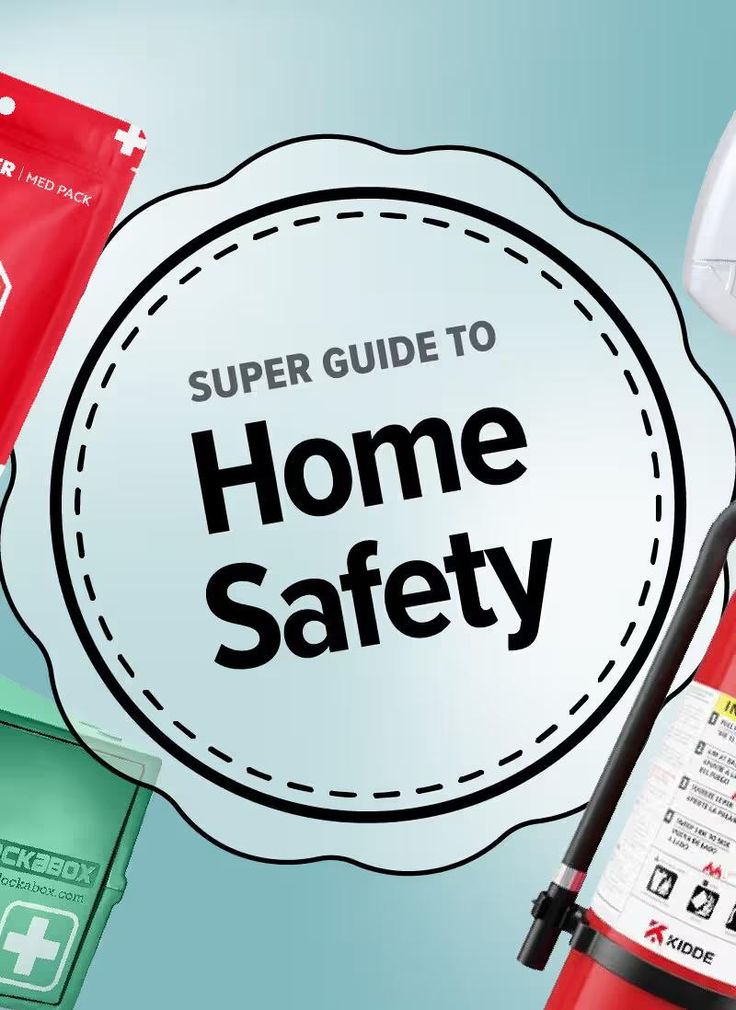
Securing your living space shouldn’t feel like preparing for a military operation. This home safety guide shows you how the most effective protective measures are simple, low cost tweaks you can easily complete over a single weekend.
Whether your goal is to deter opportunist burglars, prevent fire hazards, or stop accidental trips and falls, this comprehensive article breaks down actionable strategies anyone can implement.
Is Your House As Protected As You Think?
Before updating your hardware, take a second to look at your living space through a new lens. If you lost your keys right now, how easily could you break into your own house? Is there a window that doesn’t quite lock, or an obvious hidden spare key?
A reliable checklist must cover two distinct categories: physical security (keeping threats out) and accident prevention (keeping the people inside safe). Let’s answer the most critical questions homeowners ask when building a functional security plan for you home safety.
What Are the Easiest Ways to Enhance Physical Security?
You don’t need an expensive monthly subscription to achieve excellent protection. This phase focuses on making your house a difficult, unappealing target for criminals.
Reinforce Deadbolts: A lock is only as strong as the door frame. Swap out standard short screws in your door strike plates for 3-inch heavy-duty wood screws to anchor the plate deep into the wall stud.
Secure Sliding Doors: Sliding glass patio doors are notorious weak points. Drop a heavy-duty wooden dowel or a metal security bar into the bottom track so the door physically cannot slide open.
Eliminate Blind Spots: Walk your property line. Trim thick bushes that block the view of your front windows or porch to eliminate natural privacy shields for burglars.
How Can Smart Technology Simplify Your Routine?
In home safety guide modern tech makes DIY residential monitoring incredibly accessible. We recommend utilizing smart devices to protect your perimeter without complex rewiring.
Smart Video Doorbells: Devices like a Ring or Nest doorbell act as an immediate visual deterrent, stopping “porch pirates” and keeping an eye on front-door activity.
Automated Lighting Timers: Empty houses invite trouble. Use smart plugs to turn your living room lamps on and off at random intervals while traveling to simulate someone being home.
Water Leak Sensors: True protection isn’t just about crime. Place small, battery-operated smart water sensors under your kitchen sink, refrigerator, and washing machine to catch plumbing leaks early.

What Essential Fire and Life Protection Steps Are Missing?
Most houses have a smoke detector, but a proper home safety guide requires ensuring they actually function during a crisis.
The 10-Year Smoke Alarm Rule: Alarm sensors degrade over time. Check the manufacturing date stamped on the back of your units; if they are older than 10 years, replace them entirely.
Clear the Dryer Vent: Lint buildup in exhaust pipes is a leading cause of residential house fires. Detach the flexible hose from the back of your dryer once a year and vacuum out the trapped debris.
Map Fire Extinguishers: Keep at least one working fire extinguisher on every floor, specifically in the kitchen and garage. Ensure everyone knows the P.A.S.S. method: Pull the pin, Aim low, Squeeze the handle, and Sweep side to side.
How Do I Prevent Everyday Injuries and Falls?
Statistically, accidental trips inside the house are incredibly common. This home safety guide emphasizes treating internal injury prevention with the same importance as external security.
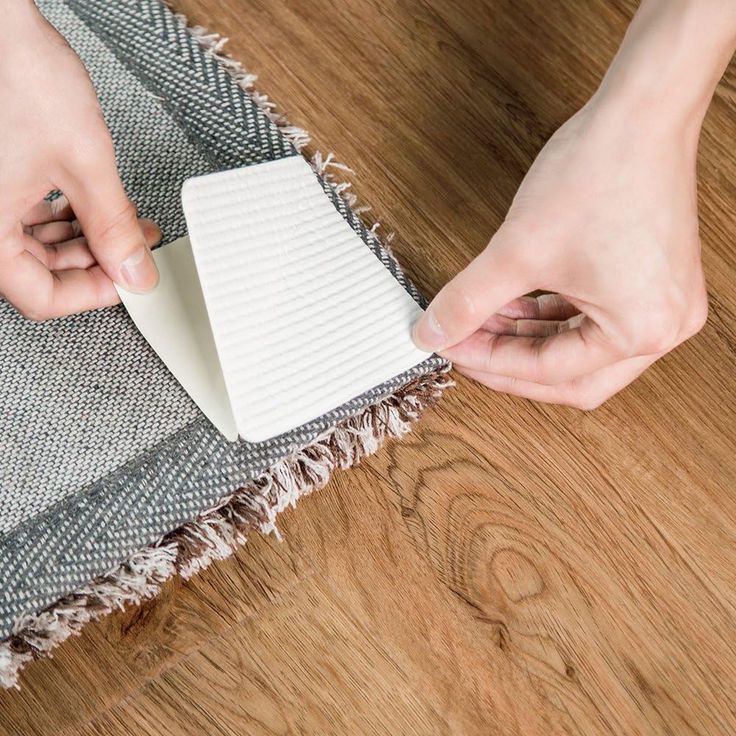
Secure the Rugs: Throw rugs on hardwood floors are major slip hazards. Apply double-sided silicone rug tape to the corners of every loose carpet to anchor them firmly.
Light the Path: Install inexpensive, motion activated LED nightlights in hallways, bathrooms, and staircases to prevent midnight stumbles without leaving bright overhead lights on.
Anchor Heavy Furniture: Tip-over accidents cause severe injuries every year. Use nylon wall straps to anchor top-heavy bookshelves, dressers, and television stands directly into wall studs.
Conclusion
As this home safety guide demonstrates, protecting your household doesn’t require a massive budget or professional contractors. By tackling one small project at a time swapping out door screws, testing alarms, or configuring a smart plug you build layers of defense that maximize peace of mind. Use this home safety guide to pick your first easy fix today, and secure your living space step by step.