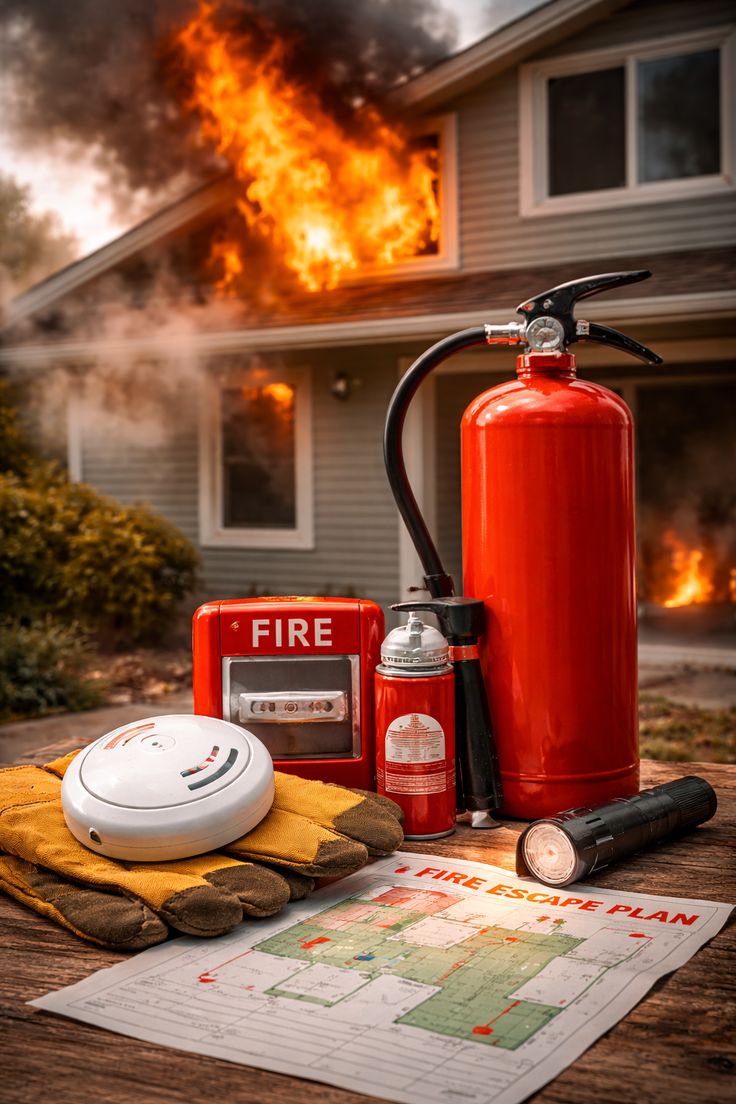
Every home should be a safe haven, yet everyday household routines carry hidden risks. From a forgotten pan on the stove to an untamed extension cord, minor oversights can lead to household emergencies. This comprehensive guide breaks down the essential strategies for home fire safety and accident prevention, ensuring your living space remains secure for everyone.
What are the most common causes of house fires, and how can they be prevented?
House fires generally stem from cooking mishaps, heating equipment, electrical faults, and careless smoking. Managing these risks is a fundamental step in home fire safety and accident prevention.
Kitchen Vigilance: Never leave frying, grilling, or broiling food unattended. Keep anything that can catch fire mitts, wooden utensils, packaging away from your stovetop.
Heating Clearance: Keep space heaters at least three feet away from anything combustible, like curtains, rugs, or bedding. Always turn them off when leaving the room.
Electrical Safety: Inspect cords for fraying. Avoid overloading power strips, and never run extension cords under rugs where heat can trap and build up.
How do you create an effective home fire escape plan?
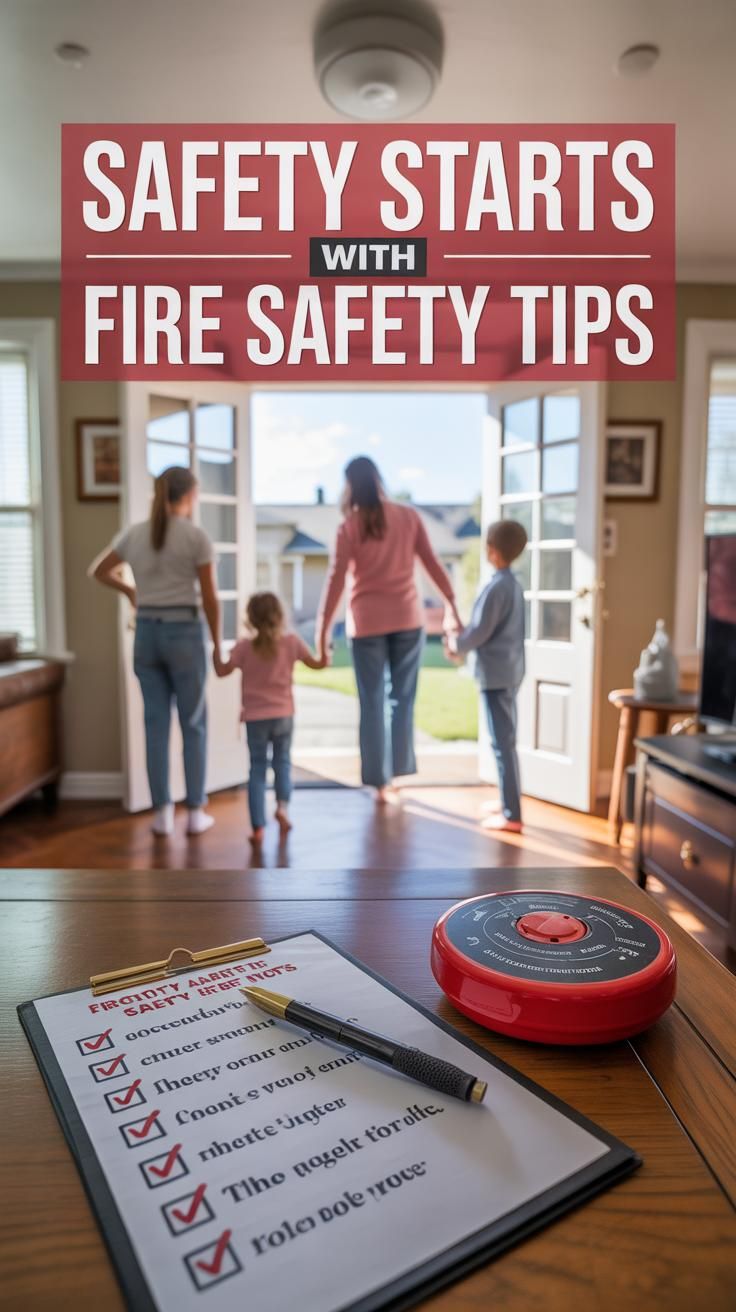
If a fire breaks out, you may have less than two minutes to escape safely, making planning a top priority for home fire safety and accident prevention.
Map It Out: Draw a floor plan of your home showing all doors and windows. Find two ways out of every room.
Establish a Meeting Spot: Choose a fixed, safe landmark outside the home (e.g., a specific tree, light pole, or neighbor’s driveway) where everyone gathers.
Practice Twice a Year: Run drills with your family, including practicing escaping in the dark or with your eyes closed to simulate heavy smoke.
What maintenance is required for smoke alarms and fire extinguishers?
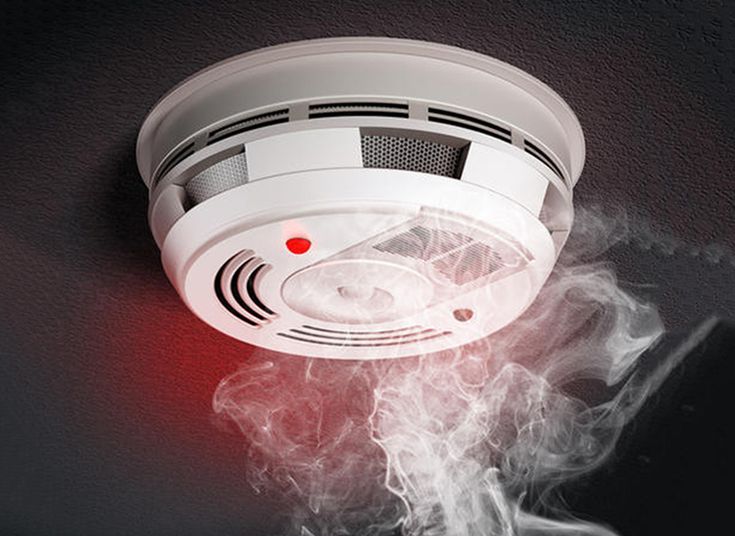
Alarms and extinguishers save lives, but only if they are properly functioning and integrated into your plan for home fire safety and accident prevention.
Smoke Alarms: Install alarms inside every bedroom, outside sleeping areas, and on every level of the home. Test them monthly by pressing the test button. Replace the batteries at least once a year, and replace the entire unit every 10 years.
Fire Extinguishers: Keep a multi-purpose (ABC rated) fire extinguisher in the kitchen and on every floor. Regularly check the pressure gauge to ensure the needle is in the green zone, and know how to use the P.A.S.S. method (Pull, Aim, Squeeze, Sweep).
How can you eliminate slip, trip, and fall hazards in the home?
Falls are a leading cause of unintentional home injury deaths, particularly for older adults and young children.
Clear Pathways: Keep hallways and stairs completely free of clutter, toys, and shoes.
Secure the Rugs: Use non-slip backing or double-sided tape to anchor area rugs securely to the floor.
Brighten the Space: Install adequate lighting in dark hallways and stairwells. Use nightlights in bathrooms and bedrooms to prevent midnight trips.
Bathroom Security: Place rubber mats in tubs and showers. If mobility is an issue, install securely anchored grab bars.
What steps are necessary to prevent accidental poisoning?
Household cleaners, medications, and chemicals are necessary tools that double as severe hazards.
Safe Storage: Store all medications, detergents, and cleaning fluids in their original containers on high shelves or inside locked cabinets out of reach of children.
Never Mix Chemicals: Mixing certain products, like bleach and ammonia, creates highly toxic, deadly gases.
Carbon Monoxide (CO) Detectors: Known as the silent killer, carbon monoxide is invisible and odorless. Install CO alarms near sleeping areas and test them alongside your smoke alarms.
Conclusion
Prioritizing home fire safety and accident prevention is a continuous commitment rather than a one-time chore. By proactively testing your alarms, securing walking paths, and practicing emergency routes, you significantly reduce the risk of tragedy. Regular maintenance combined with shared family awareness ensures your home remains a resilient, safe space for years to come.