Store Appliances Safely
Keep gas appliances out of children’s reach.
Ensure proper ventilation to disperse gas leaks.
Avoid placing appliances near sunlight, heat, or flammable materials.
Obtain a Gas Safety Certificate
Have a certified gas engineer inspect appliances.
Obtain a certificate, especially for commercial kitchens.
Be Careful While Cooking
Turn off appliances when not in use.
Keep appliances clean and in secure locations.
Never leave children unattended in the kitchen.
Install Isolation Valves & Safety Devices
Isolation valves automatically stop gas flow during leaks.
Flame Failure Devices (FFD) stop gas if the flame goes out.
All users should know how to operate these devices.
Use Quality Gas Hoses
Ensure hoses have CE marking and stainless steel construction.
Avoid low-quality hoses that may fail under pressure.
Avoid Moving or Shaking Appliances
Gas appliances are sensitive; movement may cause leaks.
Place appliances in permanent locations to reduce risks.
Install Carbon Monoxide Detectors
CO is odorless and colorless, but dangerous.
Detectors alert you to leaks; know poisoning symptoms like headache, nausea, and breathlessness.
Light Flame Before Turning on Gas
Prevent gas build-up that could lead to explosions.
Always light the flame before opening the gas supply.
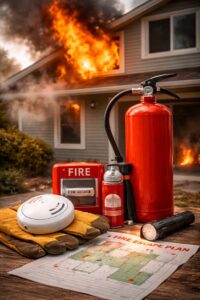
Keep a Fire Extinguisher in the Kitchen
Helps control fires from gas accidents.
Install out of children’s reach and train family members in its use.
Use a Proper Range Hood or Chimney
Vent fumes effectively to avoid smoke build-up.
Windows help, but chimneys are designed specifically for ventilation.
Conclusion:
The kitchen is high-risk due to gas appliances. Following these tips ensures long-term safety, protects your family, and prevents accidents. Safety measures like CO detectors, fire extinguishers, and proper ventilation are non-negotiable essentials.