Electricity powers our homes, appliances, and devices, but it carries real risks if not handled safely. Following these tips can help homeowners protect their families, property, and ensure compliance with regulations such as an EICR Certificate.
1. Regular Electrical Inspections
Schedule inspections with a qualified electrician every few years or as recommended. Wiring can degrade, connections loosen, or circuits overload over time. Regular inspections identify hazards early, reducing the risk of fires and shocks.
2. Upgrade Outdated Wiring
Older systems like knob-and-tube wiring or aluminum wiring may not handle modern electrical loads safely. Upgrading to modern wiring improves safety, efficiency, and reliability, and lowers the risk of electrical fires.
3. Use Ground Fault Circuit Interrupters (GFCIs)
Install GFCI outlets in bathrooms, kitchens, laundry rooms, and outdoor areas. They shut off power immediately if a fault is detected, preventing electric shock. Test them regularly to ensure proper functioning.
4. Avoid Overloading Circuits
Do not plug too many devices into a single outlet. Overloading causes overheating, a leading cause of electrical fires. Use power strips with built-in breakers and distribute electrical loads across circuits.
5. Inspect Cords and Extension Cords
Check for frayed, cracked, or damaged cords. Damaged cords increase fire and shock risk. Replace immediately and avoid using extension cords as permanent solutions. Use cords rated for the intended power and length.
6. Be Mindful of Outdoor Electrical Safety
Use outdoor-rated appliances and extension cords. Protect outlets from rain and moisture and always follow manufacturer instructions. Never use indoor-rated equipment outside.
7. Install Smoke Alarms and Carbon Monoxide Detectors
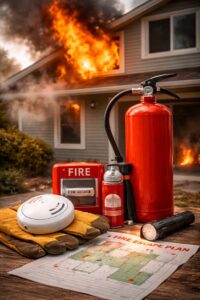
Install smoke alarms on every level and near sleeping areas. Test monthly and replace batteries yearly. Add carbon monoxide detectors, particularly near bedrooms and fuel-burning appliances.
8. Be Cautious with DIY Electrical Work
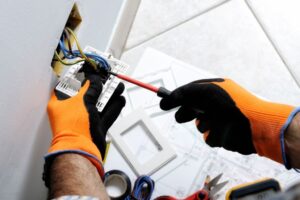
Electrical work should generally be done by licensed electricians. If attempting DIY projects, ensure proper knowledge, permits, and compliance with local building codes. Incorrect work can lead to shocks, fire, or structural damage.
9. Unplug Appliances During Storms
Thunderstorms can cause power surges. Unplug appliances and electronics to protect them. Use surge protectors for added safety, and avoid outdoor appliance use during storms.
10. Educate Your Family on Electrical Safety
Teach children and family members about safe practices:
Avoid touching outlets with wet hands
Do not play with cords or appliances
Recognize warning signs: sparks, burning smells, flickering lights
Practice a home evacuation plan in case of fire or emergency.
Conclusion
By following these tips, homeowners can reduce electrical hazards, protect their property, and ensure family safety. Regular inspections and obtaining an EICR Certificate are key to maintaining legal compliance and peace of mind. Prevention and awareness are essential for a safe and functional household.