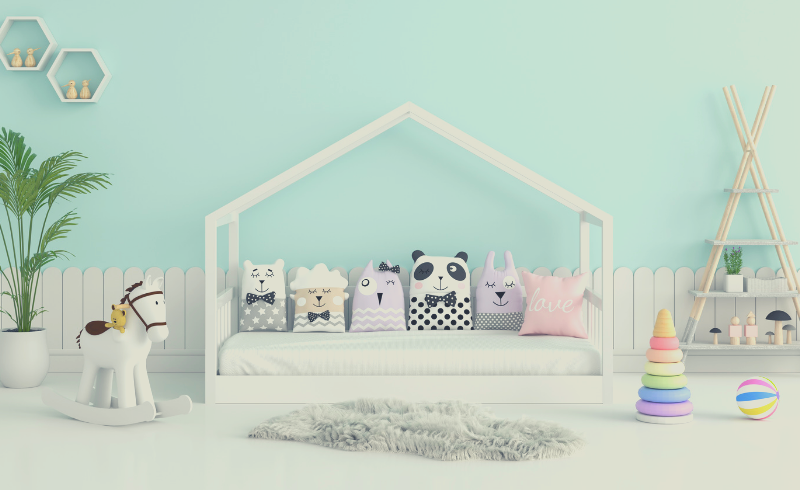
Planning your child’s bedroom is an exciting project that blends creativity with practical decision-making. From selecting the right bed to ensuring proper lighting and safety measures, every detail plays a role in your child’s comfort and development.
If you’re renovating with the future intention of renting out your property, remember that becoming a landlord means complying with legal requirements, including obtaining a valid gas safety certificate for landlords to ensure all gas appliances meet safety standards.
This guide will help you with planning your child’s bedroom in a way that supports healthy growth, creativity, and safety.
Setting the Perfect Bedroom Layout
A well-thought-out layout maximises both space and functionality. When planning your child’s bedroom, focus on furniture placement, storage, and movement flow.
Desk Area
A desk supports homework, drawing, reading, and hobbies.
Place it near a window for natural light.
Avoid direct sunlight to reduce glare.
Add task lighting for evening study.
Include drawers or shelves for school supplies.
A dedicated workspace encourages independence and focus.
Wardrobe & Storage
Maximising vertical space is essential in child bedroom design ideas.
Use high-hanging rails for growing children.
Install shelves for folded clothes.
Add drawers for smaller items.
Leave space for future upgrades like a dressing table.
Good storage keeps the room organised and clutter-free.
Choosing the Right Bed
The bed is the most important element when planning your child’s bedroom. Quality sleep supports growth, mood regulation, and learning.
For younger children, children’s low sleeper beds are ideal. Low sleepers are safer, easier to climb into, and perfect for smaller rooms. Retailers like Children’s Bed Shop offer practical solutions with UK mainland delivery options.
You can also consider beds with built-in storage to maximise space.
Toy Storage Solutions
Encouraging tidy habits starts with accessible storage.
Use labelled baskets or bins.
Install open shelving for easy visibility.
Add wall-mounted hammocks for soft toys.
When children can easily see and reach their toys, clean-up becomes simpler.
Choosing Age-Appropriate Décor
Decor plays a major role in creating a personal sanctuary. Tailor colours, themes, and materials to your child’s interests and developmental stage.
Walls and Ceilings
Paint and wallpaper transform the room into a magical space.
Consider themes like:
Woodland forests with trees and animals
Space themes with rockets and planets
Sports-inspired designs
Rainbows, unicorns, or fantasy elements
When selecting paint, prioritise low-VOC paint for kids room environments. Low-VOC options reduce indoor air pollution and are safer for children.
Glow-in-the-dark stars or ceiling stickers can turn bedtime into an adventure.
Flooring Options
Flooring should be both safe and practical.
Carpet softens falls and reduces noise.
Hardwood or lino suits allergy-prone children.
Area rugs add colour and comfort.
Choose natural fibre rugs with non-slip backing and low chemical treatments.
Furniture Choices
When planning your child’s bedroom, select furniture that is:
Rounded at the edges
Secured to walls to prevent tipping
Made from durable, easy-to-clean materials
Themed furniture sets can reflect your child’s personality while maintaining functionality. Always use anti-tip safety straps for tall wardrobes and bookcases.
Lighting for Comfort and Safety
Lighting affects mood, sleep quality, and usability.
Install bright overhead lighting for playtime.
Use bedside lamps or wall-mounted reading lights.
Add dimmers for adjustable brightness.
Consider soft night lights for reassurance.
Ensure all lighting products meet electrical safety standards.
Essential Bedroom Safety Tips for Children
Safety is crucial when planning your child’s bedroom.
Storage Safety
Anchor heavy furniture to walls.
Use child locks where necessary.
Remove small detachable parts.
Electrical Safety
Use socket covers on unused outlets.
Avoid overloading plugs.
Secure loose cables to prevent tripping.
Check for electrical safety certifications.
If additional sockets are needed, always hire a qualified electrician.
Flooring & Fire Safety
Choose fire-rated carpets.
Ensure rugs lay flat.
Avoid materials treated with harmful chemicals.
Window Safety
Install child-safe window locks and guards.
Ensure windows open easily in emergencies.
Use cordless blinds to prevent strangulation risks.
Privacy films at child height can add safety without blocking light.
Legal Considerations for Future Landlords
If your bedroom renovation is part of preparing your home for rental, legal compliance is essential. Landlords must obtain a Gas Safety Certificate confirming annual inspection of gas appliances by engineers registered with the Gas Safe Register.
Ensuring safety compliance protects tenants and avoids legal penalties.
Final Thoughts
Planning your child’s bedroom is about more than decoration — it’s about creating a safe, functional, and inspiring space. By carefully designing the layout, selecting age-appropriate décor, prioritising safety, and choosing eco-friendly materials, you can craft a bedroom that grows with your child.
With thoughtful planning, your child’s room becomes a secure and joyful sanctuary where imagination, learning, and rest flourish.