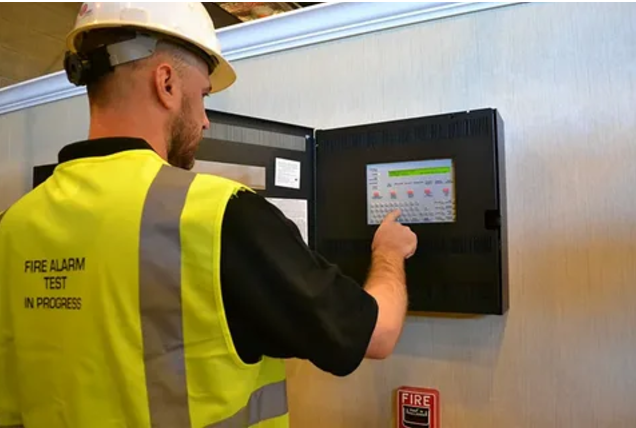
Fire alarms are one of the most important parts of any home or commercial safety system. A properly working fire alarm provides an early warning during a fire emergency, giving occupants enough time to evacuate safely. However, even the best systems can fail without regular maintenance.
This Fire Alarm Testing Guide explains how to test your fire alarm correctly, how often you should do it, and how to keep your system in top working condition. Regular testing, along with maintaining a valid Fire Alarm Certificate, ensures your property remains compliant and protected.
Why Fire Alarm Testing Is Important
The main purpose of a fire alarm is to detect smoke or heat and immediately trigger a loud warning. Over time, internal components such as batteries, sensors, and wiring can weaken or fail. Without regular testing, you won’t know whether your alarm will work in a real emergency.
Routine fire alarm maintenance reduces the risk of malfunction and protects both lives and property. Especially in rental or commercial properties, compliance with UK safety standards is essential. Many landlords also obtain an Electrical Installation Condition Report from certified professionals in London to meet legal requirements and ensure complete electrical safety.
How Often Should You Test Your Fire Alarm?
For maximum protection, experts recommend you test your fire alarm once every month. Monthly testing helps you identify issues early and fix them before they become serious problems.
Additionally:
Replace batteries at least once per year.
Test immediately after installing new batteries.
Check after any electrical work in your property.
If your system is connected to a monitoring service, follow the manufacturer’s instructions for testing frequency.
Step 1: Identify Your Fire Alarm Type
Before following this Fire Alarm Testing Guide, understand which type of alarm you have installed:
1. Battery-Powered Fire Alarm
These operate solely on batteries and are simple to test and maintain.
2. Hardwired Fire Alarm
These are connected directly to your building’s electrical system but usually include a backup battery for power outages.
Both systems include a test button, but knowing your alarm type helps you troubleshoot more effectively.
Step 2: Prepare Before Testing
Before you test your fire alarm:
Inform everyone in the building.
Notify neighbours if you live in close proximity.
Contact your monitoring company (if connected).
This prevents panic or unnecessary emergency call-outs.
Step 3: Press the Test Button
Every alarm includes a built-in test button.
Press and hold the button for a few seconds.
Listen for a loud siren or beep.
If the alarm sounds clearly, it is functioning correctly.
If there is no sound or it is weak, the batteries may need replacement or the unit may have a power issue.
Step 4: Replace the Batteries
Battery replacement is a key part of fire alarm maintenance. Even if the alarm works, replace batteries annually to avoid unexpected failure.
To replace batteries:
Remove the alarm from its mounting bracket.
Open the battery compartment.
Insert new batteries according to the polarity markings.
Reattach the alarm securely.
Test the device again.
If your alarm still fails after replacing batteries, it may need complete replacement. Most fire alarms last around 10 years.
Step 5: Clean the Fire Alarm
Dust and debris can interfere with smoke sensors. Cleaning your alarm is a crucial step in this Fire Alarm Testing Guide.
To clean your fire alarm:
Remove it carefully from the wall or ceiling.
Use a vacuum cleaner or soft brush to clean vents and sensors.
Avoid using water or harsh chemicals.
After cleaning, reinstall the device and test it again.
Step 6: Test Smoke Detection Sensitivity
Pressing the test button only checks the sound system. To properly test your fire alarm’s smoke detection ability, use a certified smoke detector testing spray.
Spray lightly near the sensor.
Confirm that the alarm activates.
Never use real flames to test your alarm, as this is dangerous and unnecessary.
What to Do If Your Fire Alarm Fails
If your fire alarm does not pass the test:
Replace the batteries.
Check electrical connections (for hardwired systems).
Inspect the installation date.
Replace the unit if it is older than 10 years.
If issues persist, consult a certified fire safety professional.
Stay Compliant with UK Safety Regulations
In the UK, maintaining fire safety systems is not just recommended — it is often legally required. Landlords and business owners must comply with national fire and electrical safety standards.
Obtaining a certified Electrical Installation Condition Report in London helps ensure your property meets current UK electrical safety regulations. Regular inspections combined with monthly fire alarm testing provide full protection and legal compliance.
Final Thoughts
Following this Fire Alarm Testing Guide ensures your alarm will work when you need it most. Monthly testing, yearly battery replacement, proper cleaning, and professional inspections keep your property safe and secure.
Do not wait for an emergency to discover a faulty alarm. Make fire alarm testing part of your regular safety routine and protect your home, business, and loved ones.
attis, pulvinar dapibus leo.